
- User count barely moves the price of a custom build. It moves your SaaS bill every single month.
- Integrations are usually the single biggest line item, and the ones with old systems cost the most.
- Data migration is real work. Twelve years of messy contact records don't copy and paste.
- Compare against three to five years of licensing, not one. That's the honest comparison window.
- A custom CRM is the wrong call for a standard process in a small team. Say that out loud before you spend anything.
How much does a custom CRM cost?
/ 7 min read
TL;DR
Custom CRM pricing depends on process complexity, integrations, data migration needs, and user count rather than seat licenses, with honest comparison requiring five years of subscription costs against build and maintenance expenses.
Key takeaways
On this page
Nobody likes the answer "it depends," so let's do better than that. The price of a custom CRM is driven by a short list of things you can actually count: how many people use it, how many other systems it has to talk to, how much old data has to come along, and how weird your sales and service process really is. Get honest about those four, and the number stops being a mystery.
TLDR: A custom CRM is priced by scope, not by seats. The big cost drivers are integrations, data migration, and process complexity. Compare the build against the full multi-year cost of your current licenses, including the add-ons and the consultant you pay to keep it running. If your process is standard and your team is small, stay on the subscription.
What actually drives the number
Four things set the price, and they're not the things most people expect.
Process complexity comes first. A CRM that tracks leads, quotes, and follow-ups is straightforward. A CRM that handles multi-stage approvals, territory rules, commission splits, and job costing tied back to each deal is a different animal. Every rule your team keeps in their heads is a rule somebody has to write down and build. That's where the hours go.
Integrations come second, and they're often the biggest surprise. Connecting to QuickBooks Online or Stripe is well-trodden ground. Connecting to a twenty-year-old ERP that only speaks through a nightly file drop is not. The age and openness of the other system matters far more than the number of systems.
Data migration comes third. Moving contacts, companies, deals, notes, and attachments out of your current platform takes a scripted export, cleanup, and a mapping exercise where somebody decides what "Status: Pending 2" meant in 2019. Dirty data costs more than clean data. Always.
User count comes last, and this is the part that flips the math. Adding your fortieth user to a custom system costs nothing. Adding your fortieth seat to a subscription costs the same as the first thirty-nine, forever.
The arithmetic you should be running
Pull your actual invoice, not the website pricing page. Most teams are paying for more than they think.
Add up the per-seat cost, the add-on modules, the storage overage, the email marketing tier, the extra sandbox, and the integration middleware that glues it to your accounting system. Then add the consultant or admin you pay to keep it configured. That total, times sixty months, is your five-year number. Compare the build against that, not against one month of seats.
Here's a hypothetical to show the shape of it. Say you have 30 users at $120 each per month. That's $3,600 a month, or $43,200 a year. Add $900 a month in connectors and add-ons and you're at $54,000 a year. Over five years that's $270,000, and that's before the renewal increases you've already seen twice. A custom system has a build cost up front and a hosting and maintenance cost after. Whether it wins depends on where your build cost lands against that $270,000.
Run the math at your headcount in three years, not today's. Growing teams get punished by per-seat pricing, and that's exactly when a subscription quietly becomes the most expensive line in operations.
The other half of the arithmetic is the stuff that doesn't show on an invoice. If two people spend an hour a day rekeying data between your CRM and your accounting system, that's a real cost. Price it. It usually dwarfs the license fee.
Where custom costs more than people expect
Honest version: some things are cheap in a subscription product and expensive to build.
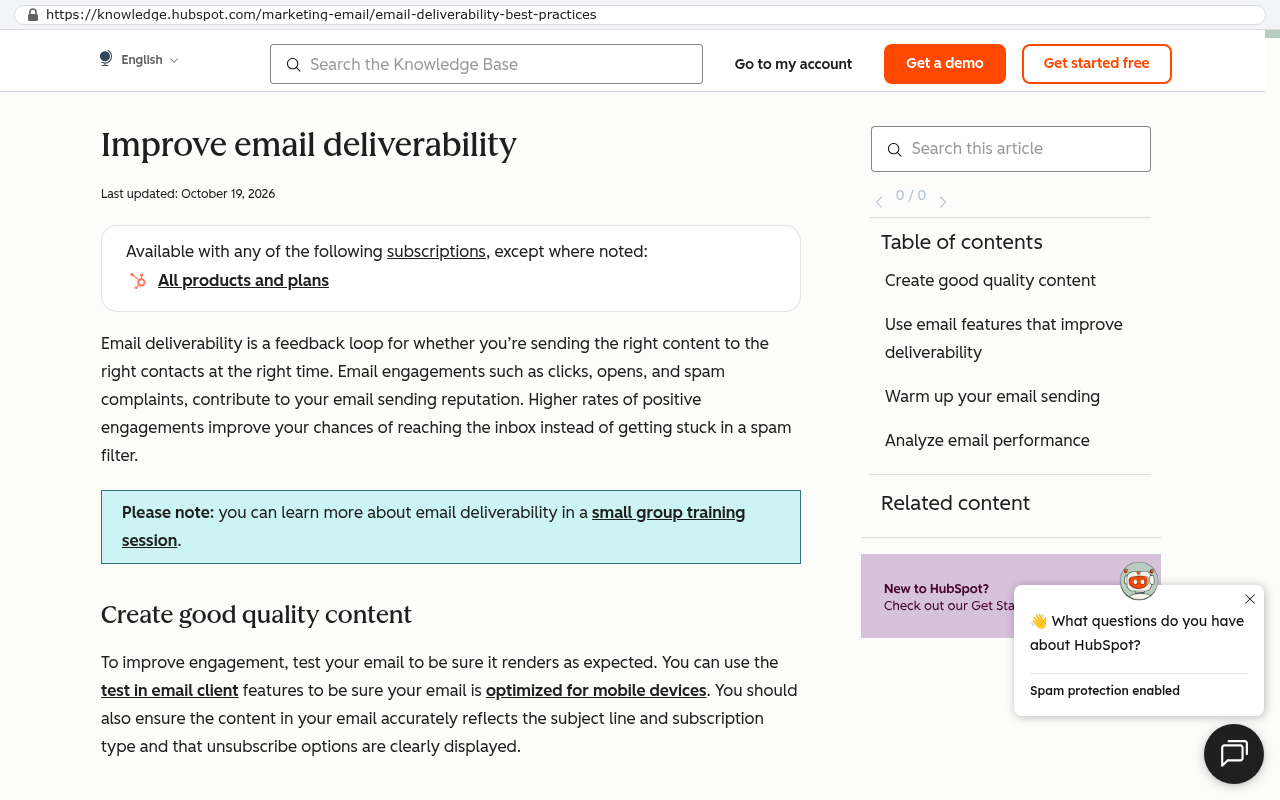
Email deliverability infrastructure is one. Sending bulk email reliably is a whole discipline, and the big platforms have spent years on it. Mobile apps are another. A responsive web app that works beautifully on a phone browser is reasonable. A native iOS and Android app with offline sync is a separate project with its own budget.
Reporting can go either way. Simple dashboards are quick. A full self-serve report builder where any user can slice any field is a product inside a product, and it's rarely worth building. Most teams are happier with ten dashboards that answer their actual questions.
Then there's the ongoing cost nobody mentions at the start. You own the system, which means you own hosting, security updates, and changes when your process changes. That's not a flaw. It's just real, and the number is usually a fraction of what you were paying in licenses.
When a custom CRM is the wrong answer
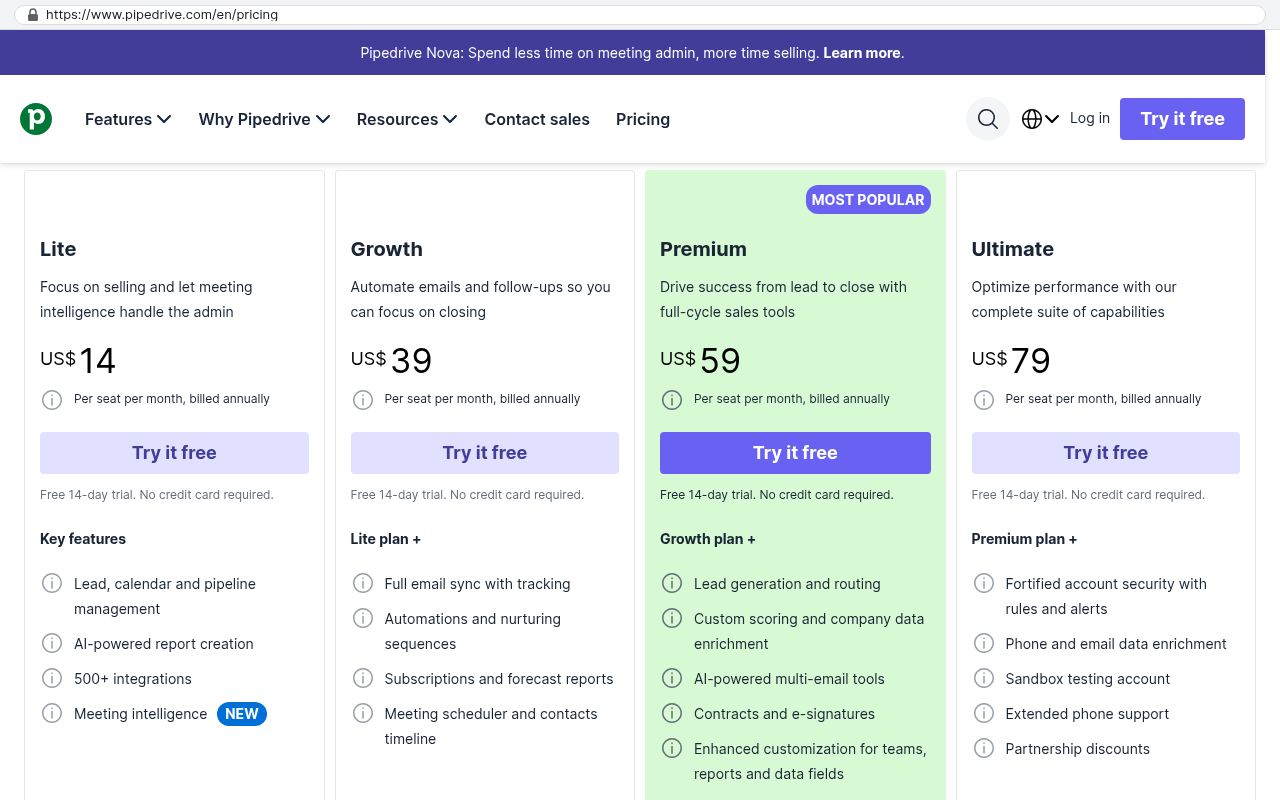
Don't build one if your process is ordinary. If your team sells a single product, logs calls, and moves deals through five stages, HubSpot or Pipedrive will beat a custom build on price and on time to value. You'd be paying to recreate something good that already exists.
Don't build one if you have fewer than about ten users and no integration pain. The per-seat math doesn't get big enough to justify it.
Don't build one to fix a process problem. If your pipeline stages are a mess, a new system makes the mess faster. Fix the process first, on paper, then decide what to build.
The most expensive custom CRM is the one built from a feature list copied off your current vendor's marketing page. You end up paying to rebuild things nobody uses. Start from what your team does every day, then cut anything that got used twice last year.
One more caveat worth naming. If your clients or vendors already log into your current platform to collaborate, moving away has a switching cost on their side too. That's solvable with a client portal, and it's work that belongs in the estimate from day one.
How to get a real number
Any firm that quotes you a CRM price before asking about your integrations is guessing. The path to a defensible number is short and it's mostly your homework.
- Write down every system the CRM must exchange data with, and who owns each one.
- Export a sample of your current records and look at how dirty they really are.
- List the five reports your leadership team actually opens.
- Map your stages and approval rules, including the exceptions people handle by instinct.
- Pull your real licensing invoice for the last twelve months.
Bring that to a scoping conversation and you'll get an estimate you can trust. Bring a vague wish list and you'll get a vague number that moves later.
If you want help putting those five items together and seeing whether the math works in your favor, book a free strategy session and we'll walk through it with you.
Read this next
If you're weighing a build against a renewal, start with custom software versus off-the-shelf SaaS: how to decide. It covers the decision framework before the dollars.
Related reading:
Frequently asked questions
What are the main cost drivers for a custom CRM?
Four things set the price: process complexity, integrations, data migration, and user count. Process complexity is first, including approval rules and commission splits. Integrations come second and are often the biggest cost, especially with older systems. Data migration is third, as cleaning and mapping old data takes significant work. User count comes last and barely moves the custom build price, unlike subscription models.
Should I compare custom CRM costs to one year of my subscription pricing?
No. Compare the custom build cost against three to five years of your actual licensing fees. Pull your real invoice and add per-seat costs, add-on modules, storage overages, consultants, and any integration middleware. A five-year comparison is the honest window. Growing teams are punished by per-seat pricing, so run the math at your projected headcount in three years, not today.
When is a custom CRM the wrong choice?
Don't build custom if your process is standard. If your team sells one product, logs calls, and moves deals through five stages, subscription platforms like HubSpot or Pipedrive will win on price and speed. Don't build with fewer than ten users and no integration pain. Never build to fix a broken process. Fix the process first on paper, then decide what to build.
What hidden costs are involved in owning a custom CRM?
Beyond the build cost, you own hosting, security updates, and system changes when your process evolves. Consider also the real cost of workarounds, like if two people spend an hour daily rekeying data between systems. That invisible cost usually dwarfs the license fee. Some features like native mobile apps, email deliverability infrastructure, or complex report builders are expensive to build but cheap in subscriptions.
What happens with data during migration to a custom CRM?
Data migration is real work. Twelve years of messy contact records don't copy and paste. It requires a scripted export, cleanup, and mapping where someone decides what old statuses meant historically. Dirty data costs more to migrate than clean data. The exercise applies to all records: contacts, companies, deals, notes, and attachments from your current platform.
Share this article
Keep reading
Seat counts as a tax on growth: what per-user pricing does to a hiring plan
Per-user software pricing means every hire raises your subscription bill. Here's how to run the real five-year math, and when owning the system beats renewing.
If this is your situation
Talk it through on a call
Thirty minutes over video with the person who would run the build. You talk, we ask questions, and you leave with a plain read on whether custom software makes sense for you. If the answer is that your current tool is fine and badly configured, you will hear that.
Who wrote this

David Verneuille
Founder, Black Badger Software Solutions
David Verneuille founded Black Badger after 18 years as a project manager and years implementing Smartsheet, monday.com, Wrike and Zoho for clients. He now builds custom systems that clients own outright, which is why the writing here is specific about where each platform fits and where it stops fitting.
Drafted with AI assistance, then checked, edited, and approved by a person before publishing. The facts, opinions, and recommendations are ours.