
- Acquirers buy software companies to raise revenue per customer. Price increases at renewal are the normal outcome, not the exception.
- Feature deprecation usually hits the parts you depend on most, because they overlap with the acquirer's existing product.
- Ask for price caps, data export guarantees, and assignment clauses before signing. Most buyers never do.
- A system you own can't be sunset by someone else's board.
What happens to your operations when a SaaS vendor gets acquired
/ 3 min read
TL;DR
When a SaaS vendor gets acquired, your price typically increases at renewal, your product roadmap shifts to the acquirer's priorities, and features you depend on may be discontinued with little recourse available to you.
Key takeaways
On this page
TLDR: When your SaaS vendor gets bought, your price goes up, your roadmap changes, and sometimes the product disappears. You have no vote. The only real protections are contract terms you negotiate before you sign, and owning the system yourself.
Why acquisitions hurt your operations
A new owner has a payback model. They paid a multiple of revenue, and they need that revenue to grow. The fastest lever is pricing at renewal. The second fastest is cutting engineering on features that only a few hundred customers use.
That's where it gets expensive for you. Your team built a workflow on an obscure automation or a reporting view. The acquirer kills it because supporting it costs more than it earns. You rebuild the workflow in spreadsheets, or you migrate the whole company to a platform you didn't choose.
Warning signs show up early. Watch for a late-stage funding round with no product news, a founder leaving for an advisor role, support response times getting worse, and a roadmap page that stops updating. None of these guarantees a sale. Two or three together usually mean something is in motion.
Before you sign a multi-year deal, ask for three clauses: a cap on renewal increases, a guaranteed full data export in a usable format, and the right to terminate if the contract is assigned to another company. Vendors say yes more often than you'd expect.
Where owning the code helps, and where it doesn't
A custom system removes acquisition risk completely. Nobody can raise your price, kill a feature, or shut the product down. You hold the code and the database.
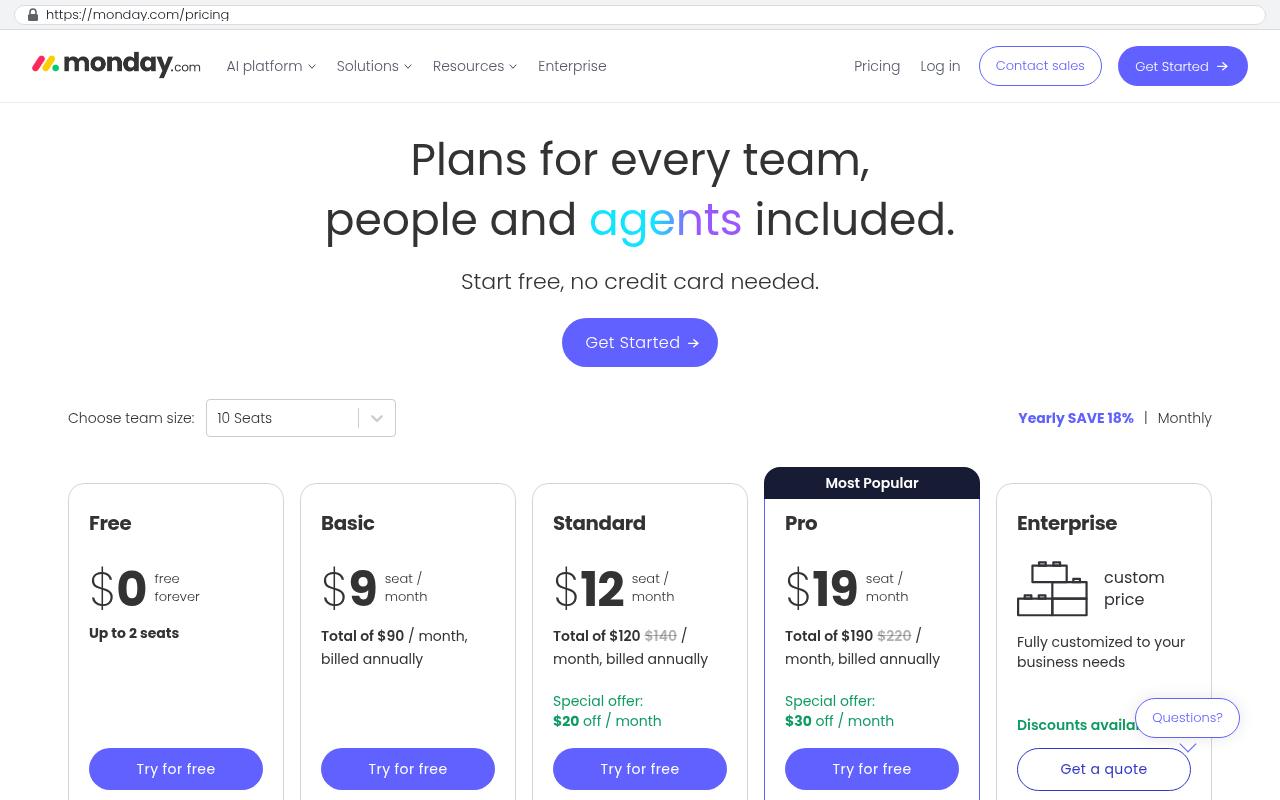
It doesn't remove every risk. You still need someone to maintain it, host it, and patch it. If your process is genuinely standard, like email marketing or payroll, buying off the shelf is cheaper and smarter. The arithmetic favors a build when you're paying a high per-seat fee for software your team has already bent out of shape to fit your work.
A quick pre-renewal checklist
- Check the vendor's last funding round and leadership changes.
- Confirm you can export your data, including attachments, today.
- Count what a 30 percent price rise would cost you next year.
- List the features you'd genuinely miss if they vanished.
If that list makes you uncomfortable, that's your answer. You can book a free strategy session and we'll map what owning it would actually involve.
Frequently asked questions
What happens to pricing when a SaaS vendor gets acquired?
Price increases at renewal are the normal outcome when a SaaS vendor is acquired. The new owner has a payback model based on a multiple of revenue, and the fastest lever to grow that revenue is raising prices at renewal. Before signing a multi-year deal, you should ask for a cap on renewal increases to protect yourself from unexpected costs.
Can a SaaS vendor shut down a product I'm paying for?
Yes. Most contracts allow vendors to shut down a product with notice, often 30 to 90 days. You have no vote in this decision. The only real protections are contract terms you negotiate before signing, such as assignment clauses that give you the right to terminate if the contract is assigned to another company.
What features typically get cut after a SaaS acquisition?
Feature deprecation usually hits the parts you depend on most, because they overlap with the acquirer's existing product. The acquirer often cuts engineering on features that only a few hundred customers use. Your team may have built workflows on obscure automations or reporting views that the new owner kills because supporting them costs more than they earn.
Share this article
Keep reading
Build versus buy software in 2026
Buy the commodity, build the edge. A practical walkthrough of the build versus buy decision in 2026, with real vendor pricing facts, five year arithmetic, and the cases where renewing is the right call.
If this is your situation
Talk it through on a call
Thirty minutes over video with the person who would run the build. You talk, we ask questions, and you leave with a plain read on whether custom software makes sense for you. If the answer is that your current tool is fine and badly configured, you will hear that.
Who wrote this

David Verneuille
Founder, Black Badger Software Solutions
David Verneuille founded Black Badger after 18 years as a project manager and years implementing Smartsheet, monday.com, Wrike and Zoho for clients. He now builds custom systems that clients own outright, which is why the writing here is specific about where each platform fits and where it stops fitting.
Drafted with AI assistance, then checked, edited, and approved by a person before publishing. The facts, opinions, and recommendations are ours.