
Skip to content
BlackBadger

Blog / Custom software

What software ownership actually means when the code was written with AI

/ 12 min read

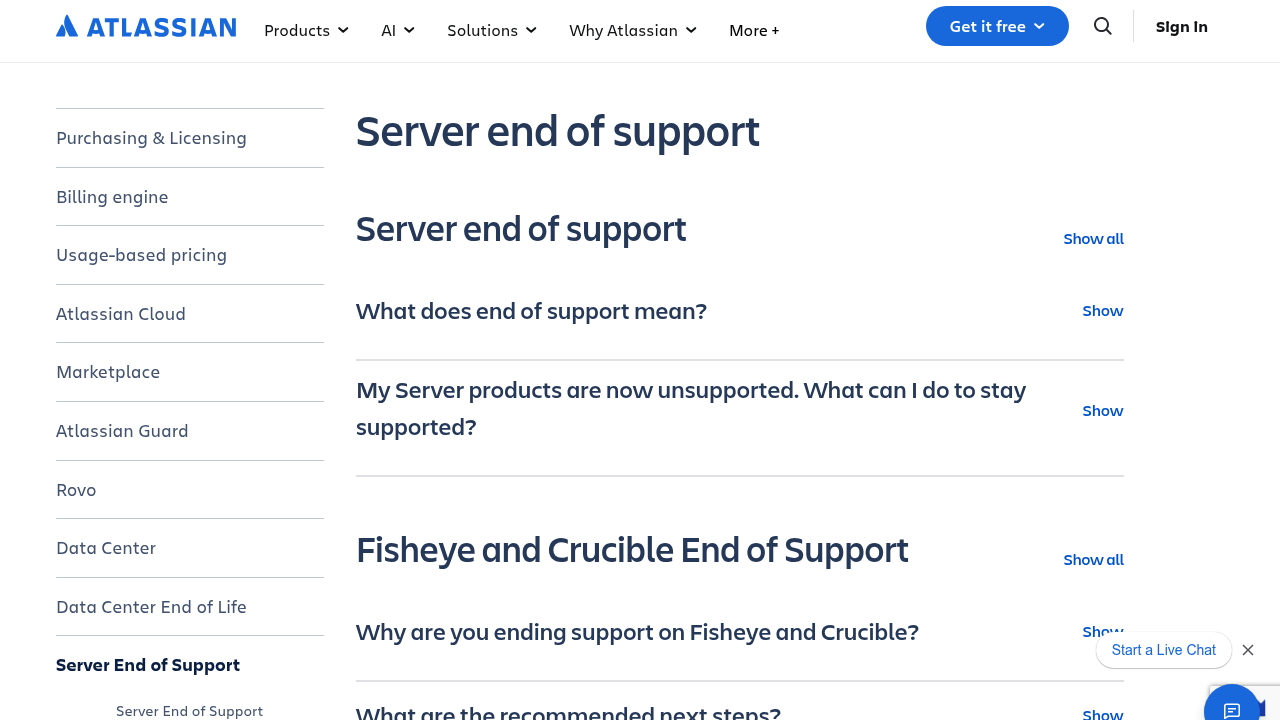
Atlassian licensing page displaying Server end of support announcement including Fisheye and Crucible End of Support section with migration guidance

TL;DR

Software ownership when AI helped write the code is determined by contracts and possession, not authorship, and the real version means you get the code repository, database, hosting credentials, and full control to hire someone else to maintain it.

Key takeaways

  • Ownership exists on a spectrum with four common arrangements: hosted SaaS tenancy, source licenses with restrictions, code escrow, and full transfer of code plus schema plus infrastructure, with only the last one being real ownership.
  • AI-assisted code can be owned and transferred like any other code because ownership in practice comes from contract assignment and possession rather than who typed the lines or copyright concerns about machine-generated output.
  • The genuine protection for your custom system comes from three practical things: a contract clause assigning all intellectual property rights to you, treating the code as a trade secret through access control, and keeping the repository in your organization's account.
  • Licensing risks from AI-trained models reproducing licensed code snippets are rarer and smaller than the open source licensing risks that already exist in every project's dependencies but are often ignored.
  • A complete handoff must include documentation, deployment scripts, environment configuration, and database access, because without these elements you do not actually own a functional system.
  • Ownership transfers the ongoing maintenance bill to you, including hosting costs, security patches, and dependency updates, so you must budget honestly for these expenses rather than expecting them to disappear.
  • The strongest business case for ownership is pricing control on tools like 40-seat SaaS platforms and ensuring end-of-life safety when a vendor shuts down, making the long-term arithmetic favor ownership over perpetual subscriptions.

Someone is going to sell you a custom system this year, and the word "ownership" will be in the proposal. It's the whole pitch. You pay once, you own the thing, no more subscription creep. Fine. But now the code was written with AI assistance, and that raises a fair question. Can you actually own something a machine helped produce? And if you can, what are you holding in your hands when the project ends?

TL. DR: Ownership is not a checkbox. It's a spectrum that runs from renting a seat in someone else's app to holding the code, the database, the deployment scripts, and the credentials. AI-assisted code can be owned and transferred like any other code, because ownership in practice comes from contract assignment and possession, not from who typed which line. The real test is whether a different developer could take over your system next month without calling the person who built it.
Key takeaways

  • There are four common arrangements, and only one of them is real ownership: hosted SaaS tenancy, a source license with restrictions, code escrow, and full transfer of code plus schema plus infrastructure.
  • AI assistance doesn't block ownership. Your protection comes from an assignment clause, trade secret practice, and access control, not from a copyright registration you were never going to file.
  • The licensing risk people worry about with AI is smaller than the licensing risk they ignore, which is the open source packages every project depends on.
  • A handoff without documentation, deployment scripts, and environment configuration is not a handoff. It's a hostage situation with extra steps.
  • Ownership transfers the maintenance bill to you. Hosting, security patches, and dependency updates become your line item. Budget for it honestly.
  • The strongest argument for owning is pricing control and end-of-life safety, and the arithmetic on a 40-seat SaaS tool makes that case on its own.

The four things people mean when they say "you'll own it"

Start by sorting the options, because vendors use the same word for very different deals.

The first arrangement is hosted SaaS tenancy. You get a login. Your data sits in a shared system next to other companies' data, separated by software rules. You own your data and nothing else. That's most of the tools your team uses right now, and for commodity needs like email or accounting, it's the right call.

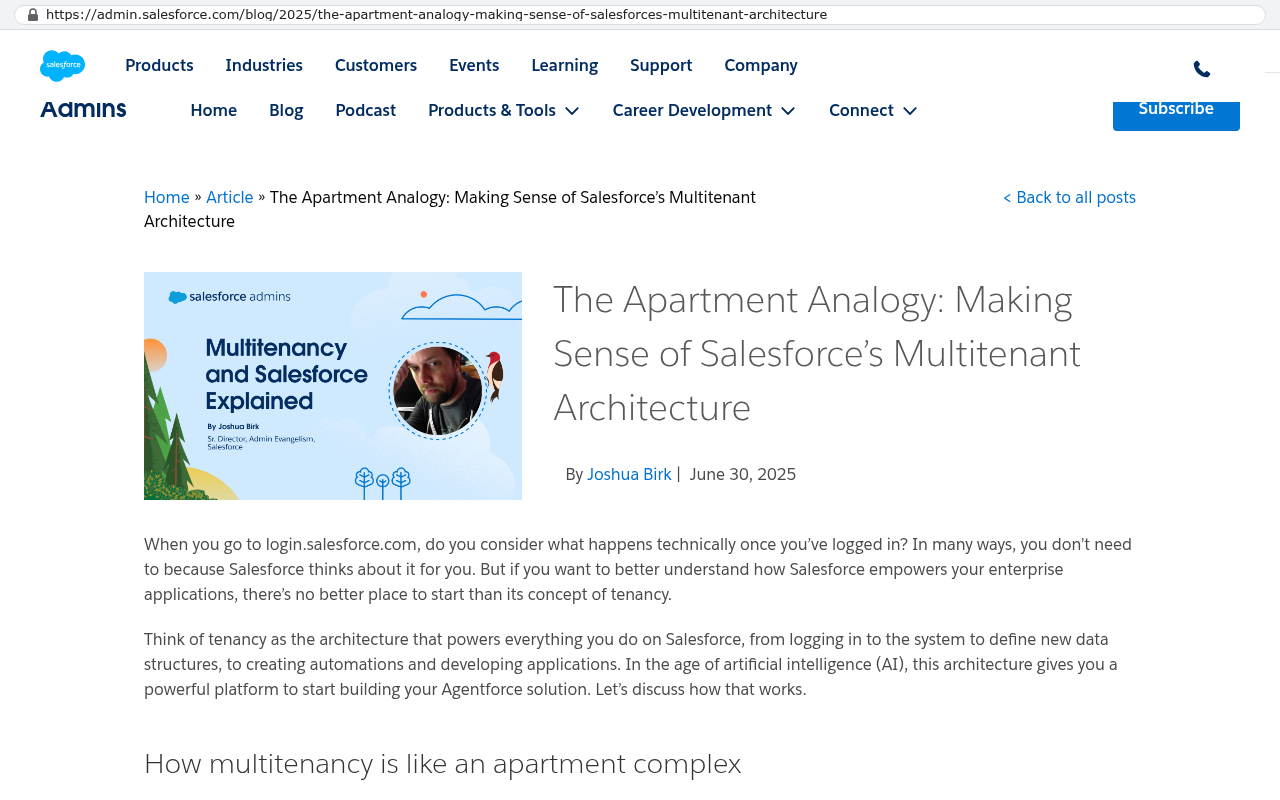
Salesforce admin blog page titled The Apartment Analogy Making Sense of Salesforce's Multitenant Architecture with introductory text explaining tenancy as the architecture powering Salesforce applications
Salesforce admin blog article about multitenant architecture explains that tenancy is the shared architecture powering everything in Salesforce with logical separation of customer data. Source: admin.salesforce.com/blog/2025/the-apartment-analogy-making-sense-of-salesforces-multitenant-architecture

The second is a source license. You get to see the code and sometimes modify it, but the vendor keeps the copyright and sets the terms. Read those terms closely. Some licenses forbid you from hiring another firm to work on it. Others expire when the support contract does, which means the code you "have" becomes unusable.

The third is escrow. A third party holds a copy of the code, and you get it only if the vendor goes bankrupt or breaches the contract. Escrow sounds like insurance. In practice, escrow deposits are often stale, incomplete, or missing the deployment pieces that make code runnable. I'd rather have working code today than a sealed envelope.

The fourth is full transfer. The copyright assigns to you, the repository lives in your account, the database and hosting sit under your billing, and the credentials are yours. You can fire the builder on a Tuesday and hire someone else on Wednesday. That's the version worth paying for.

Can you own code that AI helped write?

Yes, and the reason is less dramatic than the debate suggests.

Here's the nuance people miss. In the United States, copyright requires human authorship. Output generated purely by a machine, with no meaningful human involvement, sits outside copyright protection. That fact gets repeated as if it means AI-assisted software is unownable. It doesn't. Real software gets built by a person deciding the architecture, shaping the data model, reviewing every suggestion, rejecting most of them, rewriting others, and assembling the whole thing into a working system. That selection and arrangement is human work, and it's protected.

More importantly, copyright is rarely the thing keeping your business system safe. Nobody is stealing your custom inspection scheduler and reselling it. Your actual protection comes from three practical things. The contract assigns all rights to you. The code is a trade secret you control through access. And the repository sits in your organization's account, so possession isn't in dispute.

If you only change one line in a proposal, change the intellectual property clause. "Developer assigns to Client all right, title, and interest in the deliverables, including all source code, upon final payment" does more for you than any conversation about how the code was produced.

The licensing risk that's real, and the one that isn't

The AI worry goes like this. Models trained on public code might reproduce a chunk of someone's licensed work, and that chunk lands in your system. It's a legitimate concern. It's also rare, and it applies to snippets rather than whole systems. Any competent shop handles it with license scanning tools, human code review, and a practice of not asking a model to reproduce known proprietary code.

Now the bigger risk, which predates AI by twenty years. Every modern application pulls in dozens of open source packages. Some of those carry licenses that impose conditions if you distribute the software. Most business systems are used internally and never distributed, so the conditions rarely bite. But you should still get a list of what's in there. Ask for a dependency inventory, sometimes called a software bill of materials, which is just a plain list of every third-party component and its license.

What a complete handoff actually contains

Most "ownership" failures aren't legal. They're logistical. The contract says you own it, and then you receive a zip file nobody can run.

A real handoff includes all of the following, and you should verify each one before the final payment clears.

  • Repository access under your company's account, with full commit history, not a single dump of final files.
  • The database schema and a working backup, so a new developer can see how your data is structured.
  • Deployment scripts or infrastructure definitions, meaning the instructions that stand the system up on a server from scratch.
  • Environment configuration documented in plain language, including every setting the app needs to run.
  • Credentials for hosting, domains, email sending, payment processing, and any third-party service the system talks to.
  • Written documentation covering architecture, how to run it locally, how to deploy, and where the tricky parts live.
  • A list of scheduled jobs and background processes, because these are the things that silently break first.

Notice that credentials are on the list. This is where I've seen the most pain. A system runs fine for a year, then an API key expires, and the only account it was registered under belongs to a former contractor. Put every third-party account in your company's name from day one.

The only test of ownership that matters

Forget the paperwork for a second and run this experiment in your head. A new developer, who has never met your original builder, gets access on Monday morning. Can they get the system running on their own machine by Tuesday? Can they find where a given screen is built? Can they deploy a small fix by Friday?

If yes, you own it. If no, you have a dependency wearing an ownership costume.

You can test this for real, and you should. Before the final invoice, have a second developer or a technical friend attempt a cold setup using only the written documentation. No phone calls to the builder. Whatever they get stuck on is exactly what's missing from the handoff. Any firm that resists that test is telling you something.

Watch for handoffs where the code depends on a service account, a private package, or a hosting environment the builder controls. It looks complete until the renewal notice arrives and you learn the invoice goes to them. Check whose name is on every account before you sign off.

Ownership hands you the maintenance bill too

This is the part that gets undersold, so let me be direct about it. When you own software, you own the upkeep. There's no vendor quietly patching things in the background.

Concretely, that means a few recurring obligations. The server or cloud service needs paying and updating. Security patches for the underlying language and libraries need applying, usually a handful of times a year. Third-party integrations change their rules, and your code has to keep up. Backups need testing, not just running. And someone has to be reachable when something breaks at an awkward hour.

You have three ways to cover that. Keep the original builder on a support arrangement, which is what most mid-sized companies do. Hire or assign an internal person. Or find a different firm to maintain it, which is possible precisely because you own everything.

Here's the honest caveat. If nobody in your organization is willing to own that relationship, custom software will decay. I've seen owned systems limp along for three years with no updates because the sponsor left and nobody picked it up. A subscription product would have kept itself current. That's a genuine advantage of SaaS, and pretending otherwise would be dishonest.

Ownership versus lock-in, with the actual arithmetic

Compare the two on four axes and the picture gets clear fast.

Data export. With an owned system, your data sits in a standard database you control, and you can query it however you like. With SaaS, you get whatever export the vendor built, which is usually fine for records and terrible for attachments, history, and relationships between records.

Customization. Owned systems bend to your process. SaaS platforms make you bend to theirs, and the gap gets filled with spreadsheets and manual steps that become nobody's job and everybody's problem. Those workarounds are fixable, and fixing them is usually where custom work pays for itself.

Pricing control. This is the clearest math. Say you have 40 people on a platform at $80 per user per month. That's $3,200 monthly, or $38,400 a year. Over five years, $192,000, before the seat additions and the tier upgrade you'll get pushed into. You've spent nearly two hundred thousand dollars and you own a login. An owned system flips that. The build is a one-time cost, and the ongoing spend is hosting plus maintenance, which is a small fraction of per-seat pricing. When your headcount grows, your software bill doesn't.

End-of-life risk. Vendors get acquired, sunset products, and force migrations on their schedule. Owned code doesn't get discontinued. It gets neglected or maintained, and that's your choice.

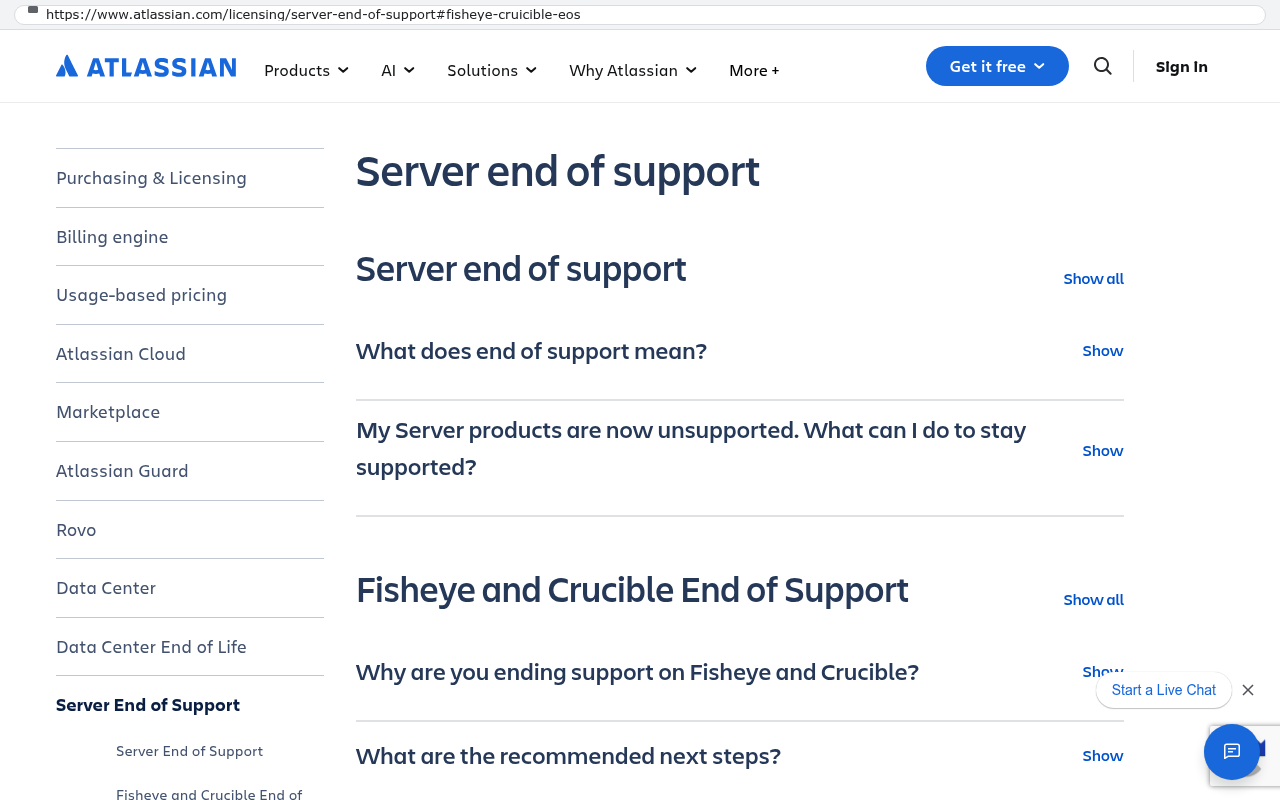
Atlassian licensing page displaying Server end of support announcement including Fisheye and Crucible End of Support section with migration guidance
Atlassian's Server end of support page shows the company announcing that Fisheye and Crucible products are reaching end of support and customers must migrate to other solutions. Source: www.atlassian.com/licensing/server-end-of-support

Where SaaS wins outright is anything commoditized. Accounting, payroll, email, document storage. Don't build those. Build the thing that's specific to how your company makes money.

Contract language worth reading twice

You don't need to be a lawyer to spot the difference between real ownership and a license dressed up as one. Look for these specific things.

  • An assignment clause, not a license grant. The words "assigns all right, title, and interest" mean transfer. "Grants a license to use" means the vendor keeps it.
  • A definition of deliverables that names source code, database schema, documentation, and deployment configuration explicitly.
  • No restriction on hiring other developers to modify or maintain the system.
  • Clear ownership of third-party accounts, with your company as the account holder.
  • A stated handoff process with acceptance criteria, so "done" is defined before work starts.
  • A termination clause that gives you everything built to date, even if the project ends early.

Also watch for a carve-out for the vendor's reusable components. That one's usually reasonable, since most shops have internal libraries they use across clients. What you need is a perpetual, irrevocable, transferable license to those pieces, so your system keeps working forever no matter what happens to the relationship.

Where to go from here

Take whatever custom build proposal is on your desk and check three things. Does it assign copyright to you on final payment? Does it list the full handoff package, including credentials and deployment scripts? And could a stranger run the system from the documentation alone?

If a proposal can't answer those, the AI question was never the issue. The issue is that the deal isn't ownership. We build systems our clients own outright in Clearwater and across Pinellas and Hillsborough counties, and we're happy to walk through your current contracts before you sign anything. If you want a second set of eyes, book a free strategy session.

Frequently asked questions

Does AI-written code need to be disclosed to us?

Ask, and a straight answer should come back. Nearly every development shop uses AI assistance now, the same way they use code completion and linters. What matters is whether a human reviewed and tested the result, and whether the finished system does what you need. Ask about their review process rather than banning the tools.

Can we copyright a system built with AI help?

The human-authored parts, meaning the architecture, the selection, and the arrangement, are protectable. Purely machine-generated output isn't. For an internal business system this almost never matters. Your contract and your access control do the real work.

What if our builder goes out of business?

If you have full transfer, nothing breaks. The code is in your repository, hosting is in your name, and another firm can pick it up. That's the whole point of owning rather than escrowing.

How much maintenance does an owned system need?

Less than people fear, more than zero. Expect periodic dependency and security updates, occasional fixes when a third-party service changes, and backup checks. Plan for a support arrangement rather than hoping nothing ever needs attention.

Should we own everything, or keep some SaaS?

Keep SaaS for commodity functions and own the systems that run your specific operation. Most companies we talk to end up with a mix, and that's the right answer.

Read this next

If you're weighing a renewal against a build, read our breakdown of how to calculate the true five-year cost of a per-seat SaaS platform, including the seat growth and tier upgrades that never show up in the first quote.

Related articles

  • What belongs in a custom software handoff package
  • When SaaS is the right answer and when it isn't
  • How to evaluate a custom software proposal without a technical background
  • Vendor lock-in, explained for operations leaders

Questions

Frequently asked questions

What is the difference between owning software and a SaaS subscription?

There are four arrangements vendors use. SaaS tenancy means you get a login and your data sits in a shared system with others, but you own nothing. A source license lets you see code but the vendor keeps copyright and sets terms. Escrow means a third party holds the code if the vendor goes bankrupt. Full transfer is true ownership: copyright assigns to you, the repository is in your account, and hosting sits under your billing.

Can you own code that was written with AI assistance?

Yes. While copyright requires human authorship and purely machine-generated output lacks protection, real software is built by people deciding architecture, shaping data models, reviewing suggestions, and assembling the system. That selection and arrangement is human work and is protected. Your actual protection comes from contract assignment, trade secret control through access, and possession of the repository.

What should I look for in an intellectual property clause when buying custom software?

Change this line in the proposal: 'Developer assigns to Client all right, title, and interest in the deliverables, including all source code, upon final payment.' This clause does more for you than any conversation about how the code was produced. It ensures copyright transfers fully to you.

What are the real licensing risks with AI-assisted software?

The worry about AI models reproducing licensed code is legitimate but rare and typically applies to snippets. The bigger risk is open source packages every application depends on. Request a software bill of materials, which lists every third-party component and its license. Modern applications pull in dozens of these packages with various licensing conditions.

What does a complete software handoff actually require?

A real handoff includes repository access under your company's account with full commit history, not a single zip file dump. You also need documentation, deployment scripts, environment configuration, database access, hosting credentials, and everything required to run the system independently. Ownership failures are often logistical, not legal.

What happens to maintenance costs when I own software?

Ownership transfers the maintenance bill to you. Hosting, security patches, and dependency updates become your responsibility and line item. You must budget honestly for these ongoing costs. This is a significant difference from SaaS subscriptions where the vendor handles these expenses.

How do I test whether I truly own a software system?

The only test that matters is whether a different developer could take over your system next month without calling the person who built it. If the answer is no, you don't really own it. True ownership means you have full access, documentation, and independence from the original developer.

Is code escrow a good alternative to full ownership?

Code escrow sounds like insurance, but in practice escrow deposits are often stale, incomplete, or missing deployment pieces that make code runnable. The arrangement only gives you access if the vendor goes bankrupt or breaches the contract. Getting working code today through full transfer is preferable to holding a sealed envelope that may not even be functional.

What's the financial case for owning software versus staying with SaaS?

The strongest argument for ownership is pricing control and end-of-life safety. The arithmetic on a 40-seat SaaS tool makes the case on its own. You avoid ongoing subscription creep and retain the system even if the vendor goes out of business. However, you must factor in the maintenance costs you'll now carry.

What should I ask for if my builder goes out of business?

Ensure your contract includes a full transfer arrangement: copyright assignment, repository in your account, database and hosting under your billing, and all credentials in your possession. With true ownership, the builder going out of business is irrelevant. You already have everything needed to continue operating and maintaining the system independently.

Read this next

What happens to your data when you stop paying a SaaS vendor

Cancel a SaaS subscription and your data doesn't vanish, it gets locked behind a login. Here's what an export really gives you, what never comes out, and when owning the system is cheaper.

If this is your situation

Talk it through on a call

Thirty minutes over video with the person who would run the build. You talk, we ask questions, and you leave with a plain read on whether custom software makes sense for you. If the answer is that your current tool is fine and badly configured, you will hear that.

Book a strategy call

Who wrote this

David Verneuille

David Verneuille

Founder, Black Badger Software Solutions

David Verneuille founded Black Badger after 18 years as a project manager and years implementing Smartsheet, monday.com, Wrike and Zoho for clients. He now builds custom systems that clients own outright, which is why the writing here is specific about where each platform fits and where it stops fitting.

About Black Badger

Drafted with AI assistance, then checked, edited, and approved by a person before publishing. The facts, opinions, and recommendations are ours.

Related

More on custom software

Want this looked at properly?

An article can only go so far without knowing your systems. Book a strategy call, walk us through what is breaking, and you will get a straight read on whether custom software is the right answer.