
Smartsheet renewal pricing climbs because of seat creep, add-on modules, and the fact that leaving is painful. Partners earn on volume, so nobody in the room is paid to shrink your license count. Before you sign a multi-year deal, count what you actually use. For a lot of mid-sized teams, a custom system you own now costs less over three years than the subscription does, and AI-assisted development is the reason that math changed.
What a Smartsheet partner will not tell you about renewal pricing
/ 8 min read
TL;DR
Key takeaways
- Your renewal price is a negotiation, not a published rate. Most buyers never negotiate.
- Seat counts rarely get audited downward. Dormant users still bill.
- Premium add-ons like Control Center, Dynamic View and Data Shuttle are where the real cost lives.
- Multi-year discounts look good and lock you in for three years.
- A custom build makes sense when your process is specific and your headcount keeps growing. It doesn't make sense when you need vendor-maintained compliance features or heavy external sharing.
On this page
Your renewal quote went up and nobody told you why. That's the normal experience with Smartsheet, and it's not because your account rep is dishonest. It's because the incentives of a partner channel don't point at your budget. We were a Smartsheet partner for years. We left. Here's what the renewal conversation looks like from the inside.
How renewal pricing really works
Smartsheet sells licenses by the seat, and seats are sticky. Someone joins a project, gets a license, finishes the project, and keeps the license forever. Nobody removes it. At renewal, your count is whatever it drifted to over twelve months.
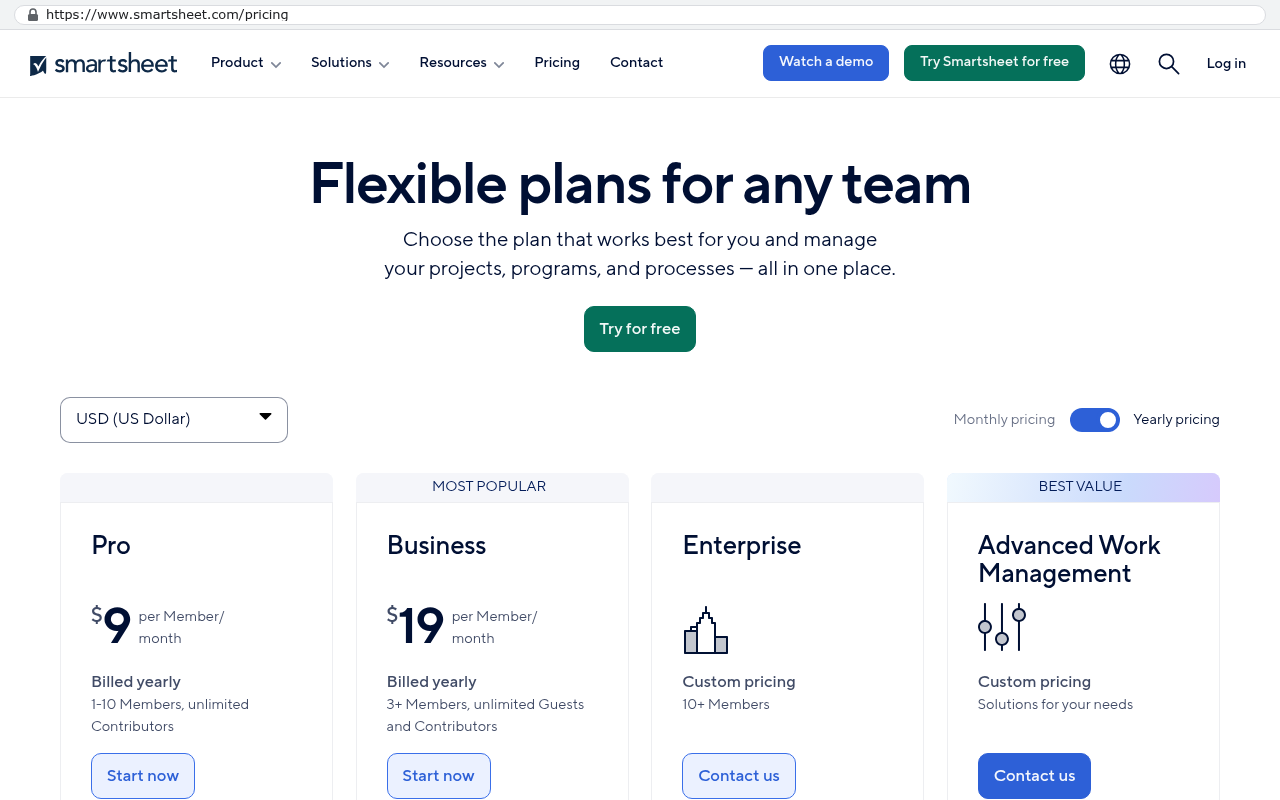
The quote you receive is based on that drifted number plus an uplift. The uplift is often framed as standard. It isn't standard. List price moves, discount levels move, and the amount of discount a given account carries varies more than most buyers would believe.
Partners sit on top of this. A partner resells licenses, or gets paid a referral percentage on them, and earns separately on implementation hours. Both revenue lines grow when your license count grows. None of that is sinister. It just means the person helping you plan your renewal has no financial reason to suggest you need forty seats instead of ninety.
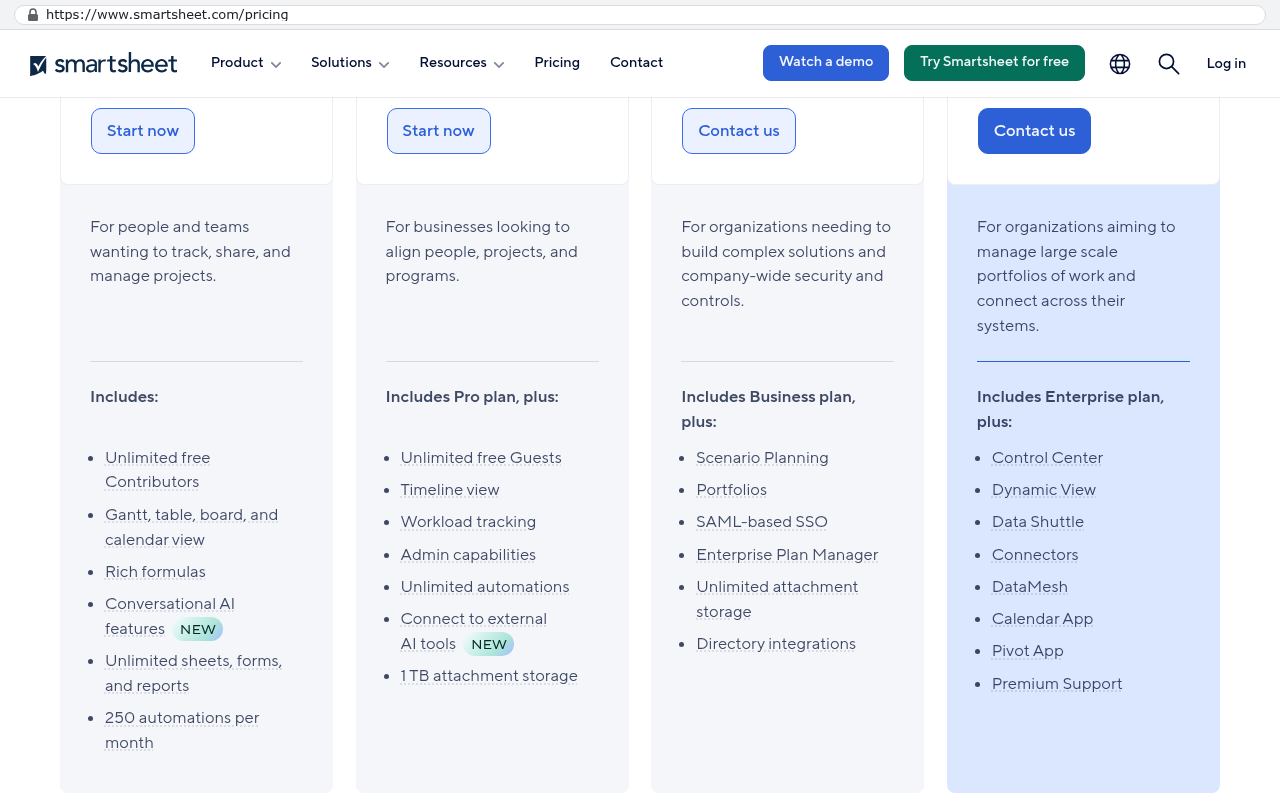
The add-ons are where budgets really break. Control Center for templated project rollouts, Dynamic View for showing outsiders a filtered slice of a sheet, Data Shuttle for moving data in and out on a schedule, Bridge for workflow automation across systems. Each one is priced separately. Each one gets sold as the fix for a limitation you hit in the base product. You end up paying a premium to work around the shape of the tool.
Pull your user list ninety days before renewal and sort by last login. Anyone who hasn't signed in for six months is a line item you can cut. Do this before the quote arrives, not after, because once the quote is built around a number it gets harder to move.
The things that stay unsaid
Nobody tells you that renewal pricing is negotiable in both directions. You can ask for a lower per-seat rate, a lower seat count, and a shorter term, in the same conversation. Vendors expect pushback at enterprise level and almost never get it from mid-sized buyers.
Nobody tells you what a three-year deal costs you in flexibility. The discount is real. So is the fact that you've just locked yourself in for thirty-six months with no room to negotiate. If your headcount is about to jump, the vendor knows the true-up is coming and you've committed to buying it at their rate.
Nobody volunteers that your heaviest Smartsheet usage is probably five or six workflows, not the platform. We implemented and supported Smartsheet, monday.com, Wrike and Zoho for years, and the pattern held across all of them. A business pays for a broad platform and uses a narrow slice of it hard.
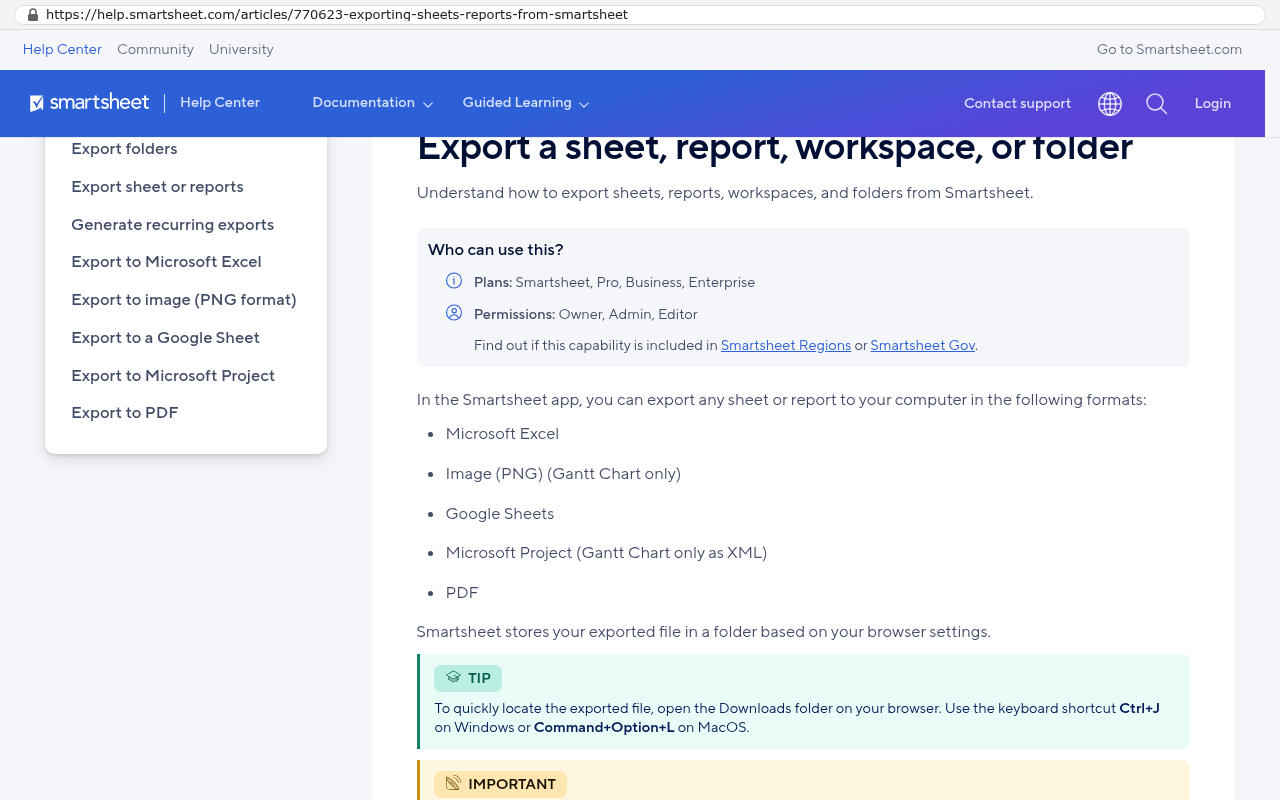
And nobody mentions the export reality until you're leaving. You can export sheets to Excel. Attachments, comment threads, cell history, automation logic and user permissions do not come with them. Getting those out takes scripted API work. That's not a reason to stay. It's a cost to budget for, honestly, up front.
The arithmetic that made us drop the partnership
Run the simple version. Take your per-seat annual cost, multiply by your seat count, add every premium add-on, then project three years with a modest annual increase. That's your do-nothing number. Most operations leaders have never written it down.
Then price the alternative honestly. A custom system has a build cost that lands once, hosting that runs monthly and is usually small, and ongoing maintenance when you change something. No per-seat charge. Adding your fortieth user costs nothing. Adding your four-hundredth costs nothing.
AI-assisted development changed the build side of that equation, and that's why we canceled our partnerships. Work that used to take a team of developers months now takes far less. The crossover point where owning beats renting moved a long way down market. It now catches businesses that would never have considered a custom build five years ago.
The number that decides it is usually seat growth, not seat count. A stable team of thirty on a platform is fine. A team of thirty heading toward a hundred is buying a cost curve, and per-seat pricing punishes exactly the growth you're working for.
When you should just renew
Custom isn't the answer for everyone, and pretending otherwise would be dishonest.
Renew if your main value is external sharing. If forty client contacts and six subcontractors log into your sheets every week and already know the interface, you're not just migrating data. You're retraining people who don't work for you. That cost is real and it falls on your relationships.
Renew if your team is small and stable. Ten seats with no add-ons is cheap. The build cost won't pay back fast enough to bother.
Renew if you need the vendor to carry compliance weight. Certifications, audit trails and security attestations that you'd otherwise have to produce yourself have genuine value. You can build to those standards in a custom system, but you're taking on the responsibility.
And understand what you're accepting with custom software. You own it. When a browser update breaks something, that's your ticket, not a vendor's. You need a development relationship that outlasts the build. A custom system with nobody maintaining it becomes a liability in about two years.
Don't start a migration inside your renewal window. Buy a one-year extension, or a short bridge term, and move deliberately. Teams that try to cut over under deadline pressure end up running both systems anyway and paying for both.
What to do before your next renewal
Start four months out, not four weeks. Audit your seats and remove dormant users. List every add-on and name the specific workflow it supports. If you can't name one, cancel it.
Then write down your three-year do-nothing cost. Compare it against what owning the five or six workflows you actually depend on would cost. If the gap is large, you have a decision worth taking seriously. If it's small, renew with a straight face and negotiate harder on rate.
Either way, go into that call knowing your own numbers better than the person quoting you. That alone changes the conversation.
If you want help running the comparison on your own usage, you can book a free strategy session with us. We'll look at what you're paying and what you're using, and tell you straight if renewing is the better call.
Read this next
If you're weighing the full comparison, read our breakdown of what a custom project management system replaces versus what it doesn't.
Related articles
- Smartsheet Control Center alternatives for templated project rollouts
- How to audit your SaaS stack before renewal season
- What it actually means to own your software
Frequently asked questions
Why does my Smartsheet renewal quote keep going up?
Your renewal price climbs because of seat creep, where users accumulate licenses over time and are rarely removed, plus add-on modules like Control Center and Dynamic View. Partners earn on volume, so there's no financial incentive to reduce your license count. The uplift applied to your renewal isn't standardized either. List prices and discount levels vary significantly across accounts, and vendors expect little pushback from mid-sized buyers.
Can I negotiate my Smartsheet renewal price?
Yes, renewal pricing is negotiable in both directions. You can ask for a lower per-seat rate, reduce your seat count, or shorten the contract term in the same conversation. Most vendors expect pushback at enterprise level and rarely receive it from mid-sized companies. However, signing a multi-year deal locks you in for the entire contract period, so negotiate before committing to long terms.
What should I do before my Smartsheet renewal quote arrives?
Pull your user list ninety days before renewal and sort by last login. Remove anyone who hasn't signed in for six months, as they're unnecessary line items. Do this before the quote arrives rather than after, because once the quote is built around a number it becomes harder to negotiate changes. Count what you actually use in the platform to understand your true needs.
What happens to my data if I leave Smartsheet?
You can export sheets to Excel, but attachments, comment threads, cell history, automation logic and user permissions don't come with them. Getting those out requires scripted API work. This is a cost to budget for honestly up front if you're considering leaving, though it shouldn't be a reason to stay with the platform.
When does building a custom system make more sense than renewing Smartsheet?
A custom system makes sense when your process is specific and your headcount keeps growing. The math changed because AI-assisted development reduced build time significantly. If you're a stable team, renewal is fine. But if you're heading from thirty toward a hundred seats, you're buying a per-seat cost curve that punishes growth. Build costs land once, while Smartsheet charges per seat forever.
When should I just renew instead of considering alternatives?
Renew if external sharing is your main value and clients already know the interface, since retraining them costs real money. Renew if your team is small and stable at around ten seats with no add-ons, as build costs won't pay back fast. Also renew if you need the vendor to carry compliance weight like certifications, audit trails and security attestations you'd otherwise produce yourself.
Do Smartsheet partners cost me more than buying direct?
Partners sit on top of Smartsheet's licensing model and earn on both resold licenses and implementation hours. This creates no financial reason for them to suggest you need fewer seats than you actually do. The pricing structure itself isn't sinister, but the incentives mean partners benefit when your costs grow, unlike a direct relationship where there's nothing between you and the vendor's pricing.
Share this article
Keep reading
How long does it take to replace a project management platform?
The timeline for replacing a project management platform is set by your data, your integrations, and your team's decisions, not by the code. Here's what actually speeds it up or slows it down.
If this is your situation
Talk it through on a call
Thirty minutes over video with the person who would run the build. You talk, we ask questions, and you leave with a plain read on whether custom software makes sense for you. If the answer is that your current tool is fine and badly configured, you will hear that.
Who wrote this

David Verneuille
Founder, Black Badger Software Solutions
David Verneuille founded Black Badger after 18 years as a project manager and years implementing Smartsheet, monday.com, Wrike and Zoho for clients. He now builds custom systems that clients own outright, which is why the writing here is specific about where each platform fits and where it stops fitting.
Drafted with AI assistance, then checked, edited, and approved by a person before publishing. The facts, opinions, and recommendations are ours.