
Your CRM bill isn't climbing because the vendor raised prices. It's climbing because you hired. That's the part most owners never price in when they sign the first contract, and it's the reason a tool that felt cheap at five people feels punitive at fifty.
The hidden math of per seat pricing: what your crm really costs as you grow
/ 11 min read
TL;DR
Per seat CRM pricing charges you for growth rather than value, turning an affordable tool at five people into a six-figure annual expense at fifty people without any price increase from the vendor.
Key takeaways
- Per seat pricing functions as a growth tax where your costs rise with headcount rather than with the actual value you receive from the software.
- Your real seat count is typically 1.3 to 1.5 times your sales headcount because operations, finance, support, and contractors all require access.
- Add-ons including premium support, file storage overages, and automation runs typically add 30 to 50 percent to the sticker price over a multi-year term.
- A five-person team paying $150 per seat monthly can easily reach $90,000 annually at fifty seats within five years, accumulating $252,000 to $270,000 in cumulative spend.
- Upgrading a tier applies to all seats rather than individual users, meaning a single manager needing one feature forces all 40 users up to a higher pricing tier.
- Owning a custom system prices on compute and storage rather than headcount, meaning adding a 51st user costs nothing, but requires upfront investment and ongoing maintenance.
- For teams below 15 to 20 users with a standard sales process, staying on a subscription SaaS platform is typically the more economical choice than building a custom solution.
The short version
Per seat pricing charges you for growth. Every new hire adds a recurring line item, and the add-ons you need to make the system actually work (storage, automation runs, premium support, sandboxes) scale with you too. A five person team paying a modest monthly fee can turn into a six figure annual commitment inside four years without a single price increase. Owning the system instead of renting it removes the headcount penalty. It also costs real money up front and requires someone to maintain it, so it's the right call at some sizes and the wrong call at others.
Key takeaways
- Per seat pricing is a growth tax. Your cost rises with hiring, not with the value you get from the software.
- Your real seat count is usually higher than your sales headcount, because ops, finance, support and contractors all need access.
- Add-ons and renewal uplifts typically add 30 to 50 percent on top of the sticker price over a multi year term.
- Low entry tiers are designed to get adoption first and monetise it later. That's not a scandal, it's the business model.
- A custom, client-owned system prices on compute and storage, not headcount. Adding your 51st user costs nothing.
- Below roughly 15 to 20 users with a standard sales process, staying on a subscription is usually the smarter money.
How per seat pricing is actually built
Vendors price per seat because it tracks your success. When you grow, they grow. It's clean, predictable revenue for them and it feels fair on day one.
The structure is almost always the same. There's a cheap starter tier that does the obvious things. Then a mid tier that opens up the features you'll want within six months, like custom fields, pipeline automation and decent reporting. Then an enterprise tier that holds the things you'll need once you're serious, such as advanced permissions, audit trails, sandboxes and higher API limits. An API limit just means how many times other software can talk to your CRM each day.
Here's the part that matters. The features you need most are rarely in the tier you started on, and upgrading a tier applies to every seat, not just the seats that need it. You wanted one manager to see a forecast dashboard. Congratulations, all 40 users just moved up a tier.
That single mechanic is responsible for more surprise CRM bills than anything else I've seen.
Check whether your contract has an annual uplift clause. Many mid market SaaS agreements bake in a 5 to 10 percent increase at each renewal, on top of any seat growth. Nobody mentions it at signing and almost nobody reads for it.
Five seats to fifty, with the numbers on the table
Let's run illustrative math. Say you're paying $150 per user per month for a mid tier CRM once you've added the bits you needed. That's a realistic all-in figure for a team using automation, decent reporting and one or two paid integrations.
At five seats you're at $750 a month. Nine thousand dollars a year. Nobody blinks at that. It's less than one mid level salary's payroll tax.
Now grow the way a healthy company grows.
- Year one, 5 seats. $9,000.
- Year two, 15 seats. $27,000.
- Year three, 30 seats. $54,000.
- Year four, 40 seats. $72,000.
- Year five, 50 seats. $90,000.
That's $252,000 of cumulative spend across five years. Apply a 7 percent annual uplift and you clear $270,000. And you own nothing at the end of it. Stop paying and the access ends.
Then there's the seat count itself. Operations leaders consistently underestimate it. Your 50 sales people are joined by four ops coordinators, two finance staff who need to see closed deals, a marketing manager, three support reps and a handful of contractors. Some vendors sell cheaper read-only or platform seats. Many don't, and the ones that do often restrict them so heavily that people just buy full licences to avoid the argument.
Assume your real seat count is 1.3 to 1.5 times your sales headcount. That's the number to run your math on.
The add-ons nobody puts in the budget
The per seat line is the honest part of the invoice. The rest arrives quietly.
Premium support is the big one. On several major platforms, an upgraded support plan is priced as a percentage of your net contract value, often around 20 to 30 percent. So support gets more expensive purely because you hired more people, even though your support needs didn't change. File storage is usually capped per organisation with a small per seat allowance, and overage is billed per gigabyte. Attach a few thousand signed contracts and site photos and you'll find that ceiling.
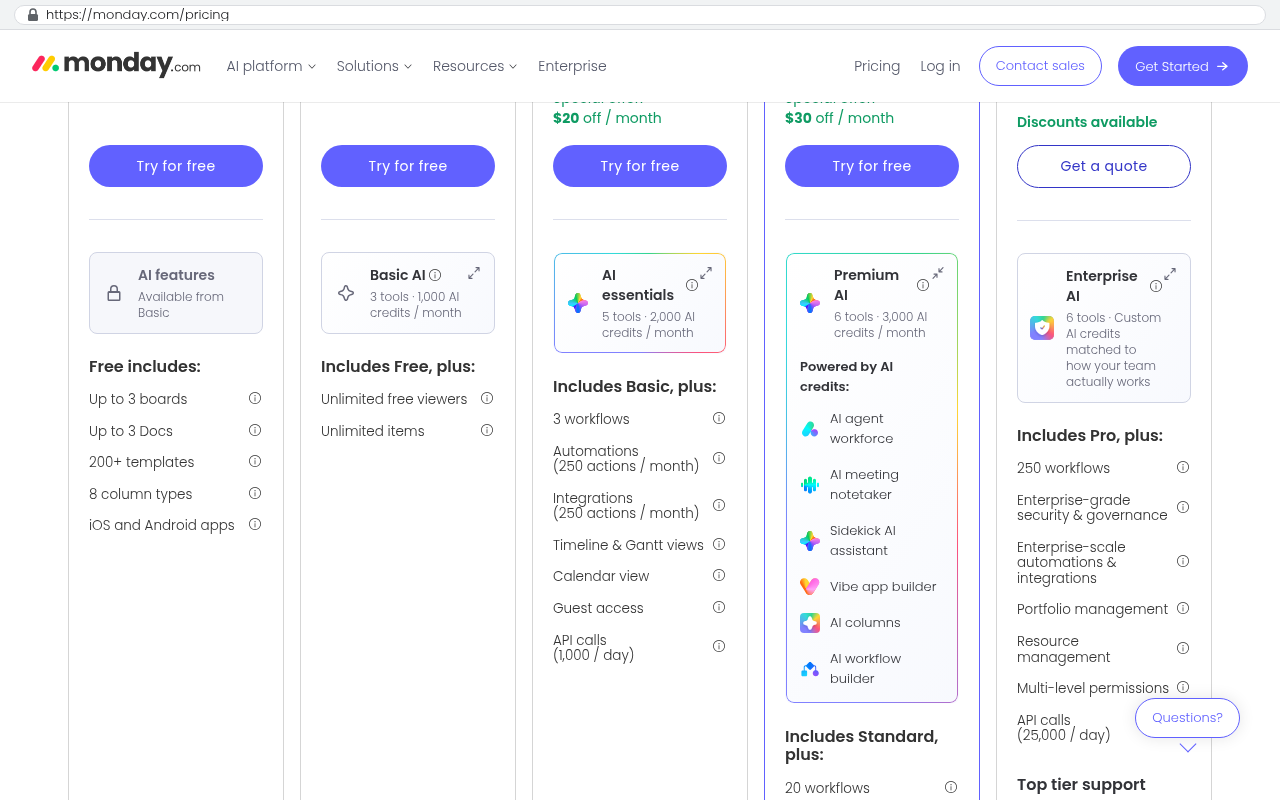
Automation is the one that bites hardest. Most platforms now meter automated actions, whether that's workflow runs, flow executions or tasks in a connector tool. Middleware priced per task looks trivial at 2,000 tasks a month and looks like a second CRM bill at 200,000. Sandboxes, meaning safe copies of your system for testing changes, are frequently paid extras. So is data backup, which surprises people who assume their vendor keeps a restorable copy by default. Several vendors also gate single sign-on behind the top tier, which is a security feature being used as a pricing lever.
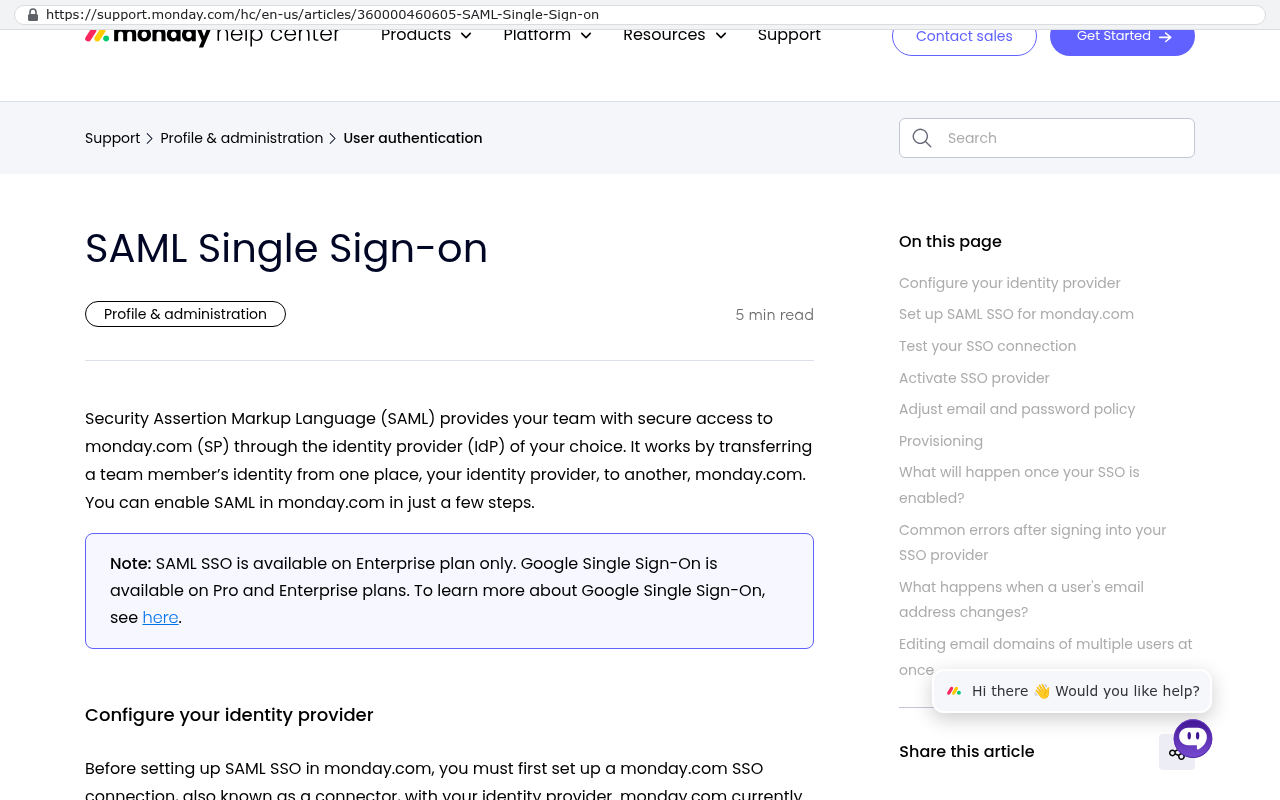
Add it all up and the effective per seat cost usually lands 30 to 50 percent above the number on the pricing page.
Pull your last twelve months of invoices, not your contract. Total everything, then divide by your average active user count for the year. That's your true per seat cost. It's almost always higher than the figure you quote in meetings.
Why the cheap entry tier works so well
Low starter pricing isn't a trick. It's good product strategy, and it's why these companies win.
The mechanism is simple. Cheap entry gets your data in. Your data getting in means your process forms around the tool. Your process forming around the tool means your people learn its quirks, your reports depend on its field names and your integrations point at its API. By the time the bill gets uncomfortable, the cost of leaving looks worse than the cost of staying. That's not lock-in by contract. It's lock-in by habit, and it's far stronger.
The psychological part is that per seat growth never triggers a decision. A $40,000 software purchase gets scrutiny, a committee and a board question. The same $40,000 arriving as eleven separate seat additions over eighteen months gets approved by whoever handles new hire onboarding. Nobody ever chose to spend it.
Ask yourself a blunt question. If your CRM vendor emailed today asking for a fresh $90,000 annual commitment with no history and no sunk cost, would you sign it? Plenty of teams would say no. They're paying it anyway.
What ownership actually changes
A system you own is priced on resources, not people. Cloud hosting charges for compute, storage and bandwidth. None of those care whether 12 people or 120 are logged in. Your 51st user costs nothing. Your 200th costs the difference in server load, which for a CRM-shaped workload is negligible.
That flips the incentive completely. Right now, giving a warehouse supervisor read access to order status is a budget conversation. When you own the system, it's a permission checkbox. Teams that own their tools give more people access, and more access means better decisions and less rekeying data between systems.
You also stop paying for the 70 percent of features you never touch. Most companies use a narrow slice of a big CRM and pay for the whole thing because the slice they need sits in the expensive tier. A custom build inverts that. You pay once to build your actual process, including the weird quoting rule and the three stage approval that no off-the-shelf pipeline handles, and then you run it.
And the exit risk disappears. You hold the code, the database and the hosting account. No renewal negotiation, no feature getting deprecated, no price change you didn't agree to.
Limitations, caveats and when to stay put
Custom isn't free and it isn't always right. Being straight about that saves everyone time.
The costs don't vanish, they change shape. You trade a recurring per seat fee for an upfront build cost plus ongoing hosting and maintenance. Maintenance is real work. Dependencies need updating, browsers change, integrations break when a vendor changes their API, and someone has to be responsible for that. Budget for it or you'll be back to spreadsheets in three years.
Some things genuinely favour the subscription. If your business needs the vendor's ecosystem, meaning their app marketplace, their partner network or their certified talent pool, that has value a custom build won't replicate. If a third party needs to log into the same system you use, and they already live in that platform, migration is a real cost. If your process is completely standard, a well configured off-the-shelf CRM is cheaper and faster than anything bespoke.
Below roughly 15 to 20 real users, the math usually doesn't work. Nine thousand dollars a year buys you a lot of convenience, and it's less than a serious build. The crossover typically shows up somewhere between 20 and 40 seats, sooner if you're paying enterprise tier pricing or drowning in connector fees. Migration is also messier than demos suggest. Twelve years of notes, attachments and half-populated custom fields need a scripted export and a cleanup pass. That's a project, not an afternoon.
Hybrid is often the honest answer. Keep the subscription for the part it does well, and build the piece that's costing you the most in licences or manual work. Owning one system that talks to your CRM beats a rewrite you don't need yet.
Work out your own trajectory in twenty minutes
You don't need a model. You need six numbers and a napkin.
- Total your last twelve months of invoices for the platform, including add-ons, connectors and support.
- Divide by your average active user count. That's your true cost per seat per year.
- Write down your headcount plan for the next three years, then add 30 percent for non sales users.
- Multiply seats by true cost per seat for each year. Apply a 7 percent uplift annually.
- Add the sum of those three years to the sum of the two after that. Now you have a five year number.
- Compare that number to a build cost plus five years of hosting and maintenance.
If the five year subscription figure is two or three times the owned figure, you have a clear decision. If it's close, stay where you are and revisit when headcount jumps. Run it again every time you renew, because the answer changes as you grow. That's the whole point.
Next steps
Do step one and two today. Most operations leaders discover their real per seat cost is 40 percent higher than the number in their head, and that single fact changes how the next renewal conversation goes.
If the arithmetic points toward owning the system, we're in Clearwater and we work with companies across Pinellas and Hillsborough counties. You can book a free strategy session and we'll run your numbers with you, including the case where staying on your current platform is the better answer.
Read this next. Our piece on deciding between building and buying business software walks through how to scope a first build without betting the company on it, over on the Black Badger blog.
Related reading on the blog covers migrating years of CRM data without losing history, what ongoing maintenance on a custom system really involves, and how to keep a custom build talking to the SaaS tools you're keeping.
FAQ
Isn't a custom CRM just a bigger version of the same bill?
No, because the cost stops tracking your headcount. You'll still pay for hosting and maintenance, but those are priced on usage and effort, not on how many people you employ. Growth stops being a line item.
What if we're only at eight seats right now?
Then stay on the subscription. At that size the convenience is worth the money and a build won't pay back fast enough. Set a calendar reminder to rerun the math when you pass 20 real users.
Can we negotiate per seat pricing down instead?
Yes, and you should try. Multi year commitments and seat volume both give you power, and vendors discount hard at quarter end. Understand what you're buying though. A discount on a growth tax is still a growth tax.
How do we handle the data we've built up over the years?
It gets exported through the platform's API and loaded into the new system, field by field, with a cleanup pass on the way through. Attachments and notes take the most work. Plan for it as part of the project rather than an afterthought.
What happens if the developer who built it disappears?
That risk is managed by owning the code and the documentation, and by using ordinary, widely known technology rather than anything exotic. If you hold the repository and the hosting account, any competent team can pick it up. Make that a condition of the engagement, not a hope.
Questions
Frequently asked questions
Why does my CRM bill keep increasing if the vendor didn't raise prices?
Your CRM bill climbs because you're hiring. Per seat pricing charges you for growth, so every new employee adds a recurring line item. Add-ons like storage, automation, and premium support scale with your headcount too. A tool that costs $9,000 annually at five people can reach $90,000 at fifty people in five years, even without a single price increase.
What's my actual seat count for CRM pricing purposes?
Your real seat count is typically 1.3 to 1.5 times your sales headcount. Beyond salespeople, operations coordinators, finance staff, marketing managers, support reps, and contractors all need access. Most vendors charge full price for all these seats, though some offer cheaper read-only licenses. Use the higher multiplier to accurately forecast your costs.
What hidden costs should I budget for beyond the per seat price?
Premium support typically runs 20 to 30 percent of your contract value. Automation gets metered per workflow run or task, which scales rapidly as you grow. Storage overages are billed per gigabyte. Sandboxes and data backups are often paid extras, as is single sign-on on some platforms. These add-ons typically increase your effective cost by 30 to 50 percent above the advertised price.
How do I calculate my true CRM cost per seat?
Pull your last twelve months of invoices and total everything you paid, not just the per seat line. Divide that total by your average active user count for the year. This reveals your actual per seat cost, which almost always exceeds the figure quoted on pricing pages because it includes all add-ons and support upgrades.
When does owning a custom CRM make more financial sense than renting?
Below roughly 15 to 20 users with a standard sales process, subscribing to SaaS is usually the smarter choice. Custom systems price on compute and storage, not headcount, so your 51st user costs nothing. However, custom systems require upfront investment and ongoing maintenance. Ownership makes sense at larger scales where per seat growth becomes expensive.
Should I worry about annual price increase clauses in my CRM contract?
Yes. Many mid-market SaaS agreements include 5 to 10 percent annual uplift clauses at renewal, on top of any seat growth. Almost nobody mentions this at signing. Check your contract explicitly for uplift language. Applied consistently, a 7 percent annual increase adds roughly $18,000 to the five year cost for the example shown.
Why do vendors price CRM software per seat instead of another way?
Vendors price per seat because it tracks your success. When you grow, they grow, creating predictable revenue. It feels fair on day one. However, it means you pay a growth tax, where costs rise with hiring rather than with the value you extract from the software. The model is designed to get adoption at low entry tiers and monetize growth later.
What happens when I need a feature only available in a higher pricing tier?
Tier upgrades apply to all your seats, not just the ones needing the feature. If you want one manager to access a forecast dashboard only in your highest tier, all 40 of your users move up that tier. This single mechanic is responsible for more unexpected CRM bills than anything else.
What if I stop paying my CRM subscription?
Access ends immediately. You own nothing after years of payments. With a custom client-owned system, you retain your data and system after the initial investment. This is a key difference between SaaS subscriptions and ownership models to consider over multi-year horizons.
Read this next
When staying on your current platform is the right call
Custom software isn't always the answer. Here's the arithmetic, the warning signs, and the honest caveats that tell you whether to renew your platform or replace it.
If this is your situation
Talk it through on a call
Thirty minutes over video with the person who would run the build. You talk, we ask questions, and you leave with a plain read on whether custom software makes sense for you. If the answer is that your current tool is fine and badly configured, you will hear that.
Who wrote this

David Verneuille
Founder, Black Badger Software Solutions
David Verneuille founded Black Badger after 18 years as a project manager and years implementing Smartsheet, monday.com, Wrike and Zoho for clients. He now builds custom systems that clients own outright, which is why the writing here is specific about where each platform fits and where it stops fitting.
Drafted with AI assistance, then checked, edited, and approved by a person before publishing. The facts, opinions, and recommendations are ours.