
AI coding assistants cut the slowest, most repetitive parts of building software. That drops the cost floor on custom systems, which used to price out most small and mid sized companies. The thinking, the design decisions, and the testing still take real human time. So custom software is now a reasonable option for a 40 person company, not just a 4,000 person one, as long as you go in with clear eyes about what still costs money.
How AI assisted development changed the economics of custom software
/ 10 min read
TL;DR
AI coding assistants have reduced the cost of custom software by automating repetitive coding tasks, making it economically feasible for small and mid-sized companies to build their own systems instead of relying exclusively on expensive enterprise platforms.
Key takeaways
- AI tools accelerate code writing, boilerplate generation, test creation, and documentation but have minimal impact on discovery, data migration, edge cases, and change management, which remain the true cost drivers of custom software projects.
- The cost advantage of custom software ownership comes from a one-time build expense plus small hosting fees compared to compounding annual SaaS seat costs that increase every year with subscription renewals.
- Modern AI-assisted development replaces lengthy specification documents with rapid prototyping, allowing teams to validate design decisions with actual users in days rather than months, which dramatically reduces the cost of being wrong.
- Code quality depends entirely on the review and governance process around AI tools, not on the AI itself, making human oversight and testing protocols critical to successful implementations.
- Custom software remains a poor choice when an off-the-shelf platform already solves ninety percent of your needs without significant workarounds, as the hidden costs of discovery and change management still apply.
TL. DR
Key takeaways
- AI tools speed up code writing, boilerplate, test generation, and documentation, which were always the bulk of the typing.
- The expensive parts of a build are discovery, data migration, edge cases, and change management. AI barely touches those.
- Per seat SaaS costs compound every year. A system you own has a one time build cost and a small hosting bill.
- Code quality depends on the review process around the AI, not the AI itself.
- Custom is a bad fit when an off the shelf tool already does 90 percent of what you need with no workarounds.
Writing code got cheaper. That's the short version, and it's changed which companies can sensibly own their own software.
For twenty years the answer to "should we build this?" was usually no. Building meant a long project, a big team, and a budget that only large companies could sign off on. So everyone rented instead. You bought seats in a platform, worked around the parts that didn't fit, and paid the renewal every January. That math has shifted, and it's worth understanding why before you make your next platform decision.
What actually changed in the work
Software development was always part thinking and part typing. The thinking is figuring out how your business really works. The typing is turning that into code, tests, forms, reports, and documentation. AI assistants are very good at the typing.
A developer using a modern coding assistant can describe a data structure in plain language and get a working first draft in seconds. Things like login screens, permission rules, audit logs, PDF exports, and API connections are well understood problems that have been solved thousands of times. The AI has effectively read all of those solutions. It produces a competent starting point fast, and the developer edits it into something correct.
The same applies to tests. Automated tests are small programs that check your software still works after a change. Writing them by hand is tedious, so historically they got skipped when a project ran hot. Now a developer can generate broad test coverage in an afternoon. Quality goes up, not down, because the boring safety work finally gets done.
The speedup is not uniform. Common patterns like a records list with search and filters go maybe three to five times faster. A pricing rule specific to your industry that nobody has written before goes barely faster at all, because the hard part is deciding what the rule should be.
The myth that custom software means enterprise budgets
Plenty of owners still believe custom software is a thing you do after you hit a few hundred million in revenue. That belief came from a real era. In 2010, a serviceable internal system meant server hardware, a database administrator, a long requirements document, and a team of five for the better part of a year.
Almost all of that is gone. Cloud hosting removed the servers. Modern frameworks removed thousands of lines of plumbing code. Managed databases removed the specialist. AI assistants removed a large share of what's left. A two person team today ships what a ten person team shipped fifteen years ago.
What didn't change is the discovery work. Somebody still has to sit with your dispatcher and learn why she keeps a paper notebook next to a $90,000 a year platform. That conversation costs the same as it always did. It's also the part that determines whether the software gets used.
Where the old model spent its money
The traditional custom build burned budget in places that had nothing to do with typing code. Long written specifications that were obsolete before anyone read them. Handoffs between a business analyst, an architect, and three developers who each interpreted the document differently. Change requests priced as contract negotiations because the original scope was rigid.
Leaner AI assisted work compresses that. Instead of a 60 page specification, you build a rough working version of the screen in a day and show it to the person who'll use it. She points at it and says the status field is wrong and there should be a second date. You fix it that afternoon. The prototype replaces the document, because it's now cheap enough to throw away.
That's the real economic change. Not that code is free, but that the cost of being wrong dropped. When a wrong guess costs a day instead of a month, you can afford to guess more often and correct faster. Projects fail less often for the boring reason that they get corrected earlier.
Ask any firm you're evaluating how soon you'll see working software you can click on. If the answer involves weeks of documentation first, they're still running the 2012 playbook and charging you for it.
Run the arithmetic on your own stack
Do this with your actual numbers, because the answer varies a lot by company. Pull your renewal invoices for every operational platform you pay for. Project management, CRM, the field service app, the reporting add on, the integration middleware, the storage overage.
Say you have 80 people using a platform at $75 per seat per month. That's $72,000 a year. Add a $14,000 integration tool and a $9,000 reporting layer and you're at $95,000. Renewals typically rise 5 to 10 percent annually, and seat counts grow as you hire. Over five years you're looking at well north of half a million dollars, and at the end you own nothing. Stop paying and access ends the same week.
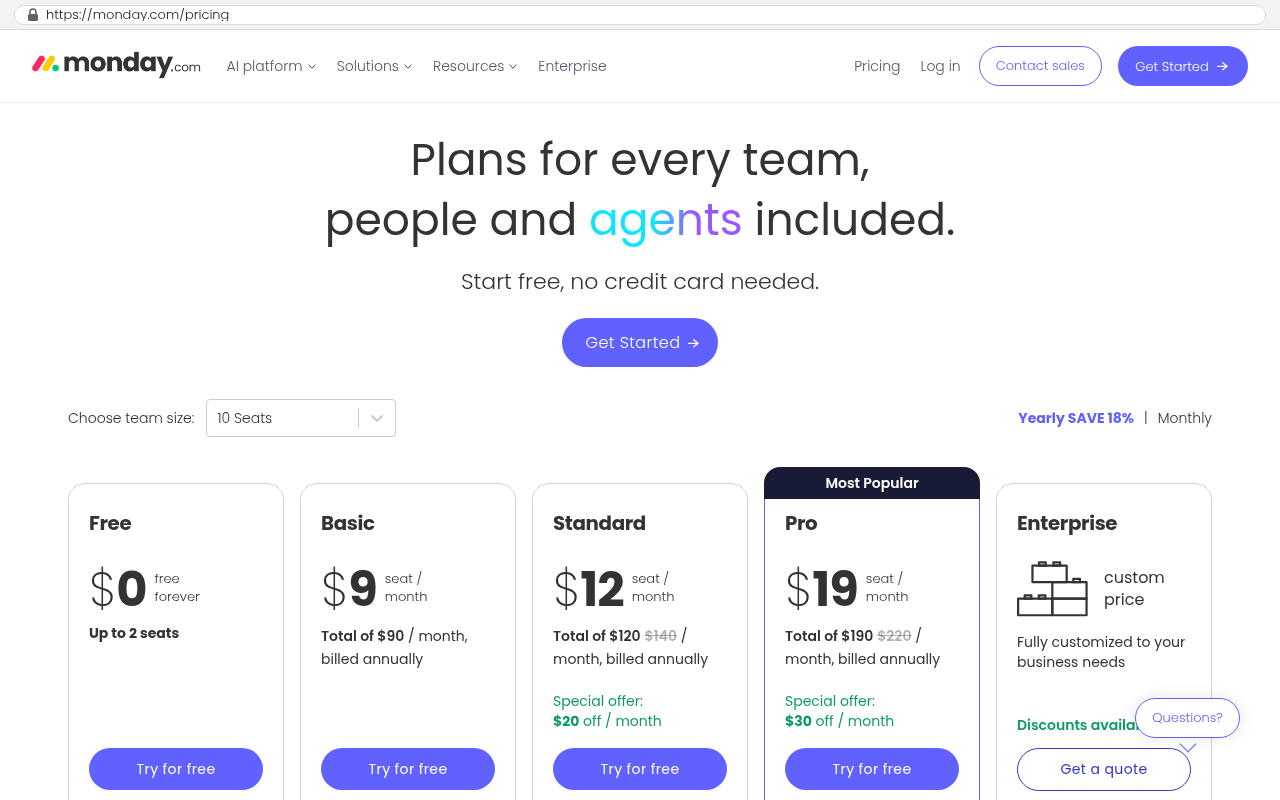
A custom system flips the shape of that spend. You pay once to build it, then you pay hosting, which for a business with a few hundred users is usually a few hundred dollars a month. You also pay for changes when you want changes. The question is whether the one time build lands below your multi year rental total, and for a lot of companies with heavy seat counts or ugly workarounds, it now does. It didn't five years ago.
The arithmetic goes the other way too. If you pay $9,000 a year for a tool that fits your process well and nobody complains about, building a replacement is a waste of money. Rent things that are commodities. Own the thing your business actually competes on.
How we use these tools on real builds
At Black Badger the AI does the first draft and a human is accountable for what ships. Every generated file goes through review by the developer who owns that part of the system. Nothing merges without passing the automated test suite. We run static analysis, which is tooling that reads code and flags likely bugs and security problems before a person does.
We use AI heavily for a few specific jobs. Scaffolding the repetitive layers of an application. Writing test cases against rules we've already agreed with the client. Generating the documentation that explains how a module works, so the client's own future developer can pick it up. Converting messy exported data during a migration, which is normally miserable hand work.
We don't use it to decide architecture, design the data model, or determine business rules. Those come from the discovery conversations, and getting them wrong is expensive to unwind later. An AI will happily produce a confident, plausible data model that quietly makes your invoicing rules impossible to implement in month seven.
Be suspicious of anyone selling "AI built your app in a weekend." Those demos are real for a to do list. They fall apart the moment your business has multi step approvals, real permissions, and twelve years of legacy data to import.
What AI assisted development does not fix
Data migration is still brutal. Moving twelve years of records out of an old platform means writing scripted exports, matching fields that don't line up, cleaning duplicates, and reconciling attachments. AI helps write the conversion scripts. It cannot tell you which of three conflicting customer records is the real one. Somebody at your company has to make those calls.
Integrations still break. If your new system talks to QuickBooks, a shipping carrier, and a payment processor, you inherit their outages and their version changes. That's ongoing maintenance no matter who built the software.
Adoption is still the hardest part. Software nobody uses is worse than the spreadsheet it replaced. That takes training, a real rollout plan, and a manager willing to insist on the new process. No tooling shortcuts it.
And there are real risks with AI generated code done badly. It can produce code that looks right and is subtly wrong. It sometimes invents functions that don't exist. It can copy insecure patterns from old examples. Left unreviewed, it produces a large volume of mediocre code very quickly, which is a maintenance problem disguised as progress. The defense is a normal engineering discipline of code review, tests, and a human who understands every line that ships.
One more caveat that matters for ownership. Cheaper building means it's easier to build the wrong thing. When custom software was expensive, the expense forced hard thinking about whether you needed it. Keep that discipline even though the price of a wrong turn dropped.
What to do next
Start with the list. Write down every platform you pay for, the annual cost, the renewal date, and one sentence on what your team works around in it. Circle anything where people maintain a side spreadsheet, because that spreadsheet is the shape of the software you're missing.
Then pick the single worst offender and price out five years of renting it against owning something that fits. If the numbers are close, keep renting. If they're not close, you already have your answer. When you want a second opinion on that math, book a free strategy session and we'll go through it with you.
Read this next
Build versus buy for mid sized operations, which walks through the decision framework in more detail with worked examples.
Related articles
- Why per seat pricing punishes growing companies
- What actually happens during a data migration
- Owning your source code and what that means in practice
FAQ
Is AI writing all the code now?
No. It writes first drafts of a lot of it. A developer directs it, reviews everything, and rewrites the parts that are wrong. Think of it as a very fast junior who never gets tired and occasionally makes things up.
Will AI generated code be harder to maintain later?
Only if it was never reviewed. Code that passed human review, has tests, and follows consistent patterns is just code. What's hard to maintain is a pile of unreviewed generated files nobody understands.
Does this mean custom software is cheap now?
Cheaper, not cheap. The typing got faster. The discovery, migration, testing, and rollout did not. Expect a real project with real effort, just less of it than the same project would have taken in 2018.
Who owns the code if AI helped write it?
You do, when your contract says so. Get it in writing that you own the source code and the deployment, and that you receive the repository. That's the whole point of building instead of renting.
What if we build something and then our process changes?
You change the software. That's the advantage of owning it. Changing a rented platform means waiting for a vendor roadmap or paying for a workaround.
Questions
Frequently asked questions
How much faster does AI make software development?
AI assistants speed up code writing, boilerplate, test generation, and documentation significantly. Common patterns like records lists with search and filters go three to five times faster. However, the speedup isn't uniform. Specific industry pricing rules that haven't been solved before go barely faster because the hard part is deciding what the rule should be, not writing it.
What parts of custom software development does AI not help with?
AI barely touches the expensive parts of a build: discovery, data migration, edge cases, and change management. Someone still needs to sit with your team and learn how your business actually works. That discovery conversation costs the same as it always did and determines whether the software gets used.
Is custom software now affordable for small companies?
Yes. AI coding assistants have dropped the cost floor on custom systems. What a ten person team shipped fifteen years ago, a two person team can ship today. Custom software is now a reasonable option for a 40 person company, not just a 4,000 person one, as long as you understand what still costs money.
How much do custom systems cost compared to SaaS platforms over five years?
With an 80 person team using a platform at $75 per seat monthly plus integration tools and reporting layers, you'll spend over half a million dollars in five years with nothing to show for it at the end. Custom systems have a one time build cost plus small monthly hosting fees, usually a few hundred dollars monthly for a few hundred users.
What changed in how companies approach software development projects?
Instead of writing 60 page specifications and long handoffs between teams, companies now build rough working versions in days and show them to users. When wrong guesses cost a day instead of a month, you can afford to guess more often and correct faster. Projects fail less often because they get corrected earlier.
Does AI write all the code automatically now?
No. AI produces competent starting points fast, but developers still edit it into something correct. Code quality depends on the review process around the AI, not the AI itself. The thinking and design decisions still require real human time and expertise.
Read this next
When staying on your current platform is the right call
Custom software isn't always the answer. Here's the arithmetic, the warning signs, and the honest caveats that tell you whether to renew your platform or replace it.
If this is your situation
Talk it through on a call
Thirty minutes over video with the person who would run the build. You talk, we ask questions, and you leave with a plain read on whether custom software makes sense for you. If the answer is that your current tool is fine and badly configured, you will hear that.
Who wrote this

David Verneuille
Founder, Black Badger Software Solutions
David Verneuille founded Black Badger after 18 years as a project manager and years implementing Smartsheet, monday.com, Wrike and Zoho for clients. He now builds custom systems that clients own outright, which is why the writing here is specific about where each platform fits and where it stops fitting.
Drafted with AI assistance, then checked, edited, and approved by a person before publishing. The facts, opinions, and recommendations are ours.