
Software subscription bills in Pinellas and Hillsborough counties look different than they did three years ago. Same tools. Same headcount. Much bigger number at the bottom of the invoice. Owners around here are opening renewal quotes and asking a fair question, which is whether renting this stuff forever still makes sense.
Why Clearwater and Tampa Bay businesses are rethinking their software subscriptions
/ 10 min read
TL;DR
Tampa Bay and Clearwater businesses are reconsidering software subscriptions as vendors shift to higher profit pricing, making five-year rental costs often exceed the price of owning custom systems built for their operations.
Key takeaways
- Per-seat pricing increases become expensive during company growth, while custom systems do not charge additional fees when you hire new employees.
- Most local software stacks include three to four overlapping tools doing redundant work, creating hidden integration costs when employees manually transfer data between platforms.
- For a typical 40-person Clearwater company, five years of subscriptions often exceeds 300,000 dollars with nothing owned at the end, whereas custom software only costs hosting and optional support after the initial build.
- Hospitality, healthcare, and logistics businesses around the area share the common problem that generic off-the-shelf software does not match their specific operational needs.
- Custom systems make sense when the software runs your core operation and off-the-shelf tools fit badly, but subscription services remain the right choice for commodity software like email, accounting, and payroll.
- Seasonal businesses in Tampa Bay overpay annually because contracts typically allow adding seats mid-term but only permit reducing them at renewal, creating asymmetrical billing.
TL. DR
SaaS vendors have shifted from growth pricing to profit pricing. Per-seat costs rise, useful features move up a tier, and AI add-ons get bolted on as extra line items. For a Tampa Bay company with 30 to 100 users, five years of renewals often adds up to more than a system you would own outright. Custom is the better answer when the software runs your core operation and the off-the-shelf tool fits badly. It is the wrong answer for email, accounting, and payroll. Run the arithmetic on your top three subscriptions before you sign anything else.
Key takeaways
- Per-seat pricing punishes you for growing. A custom system does not charge more when you hire.
- Most local stacks have three or four overlapping tools doing one job badly.
- Total five-year subscription cost is the number that matters, not the monthly one.
- Hospitality, healthcare, and logistics operators here share one problem, which is software built for a generic version of their business.
- A nearby build partner gives you something a distant vendor cannot, which is a person who will walk your floor.
- Keep renting commodity software. Own the system that makes you money.
Subscription pricing changed, and the bills landed here
The pattern is national, and it is not subtle. Platforms that grew by being cheap have moved into the phase where investors want margin. So prices go up at renewal. Features you already use get moved into a higher plan. Storage and record limits tighten. AI assistants arrive as a separate per-user charge, whether your team asked for them or not.
None of that is illegal or even unreasonable. It is how the model works. The trouble is that a local contractor with 45 field staff had no say in the roadmap and no bargaining power at renewal. You either pay the new number or spend six weeks migrating.
What makes this sting more in Tampa Bay is headcount volatility. A beach hospitality group staffs up for season and trims after. A restoration company doubles its crew after a storm. Per-seat pricing turns every hire into a recurring cost increase, and most contracts do not let you scale back down until the annual term ends. You pay for seats you stopped using in April.
Check whether your contract has an annual true-up clause. Many platforms let you add seats mid-term at will but only let you reduce them at renewal. That asymmetry is where seasonal businesses quietly overpay all year.
What the typical Tampa Bay software stack looks like
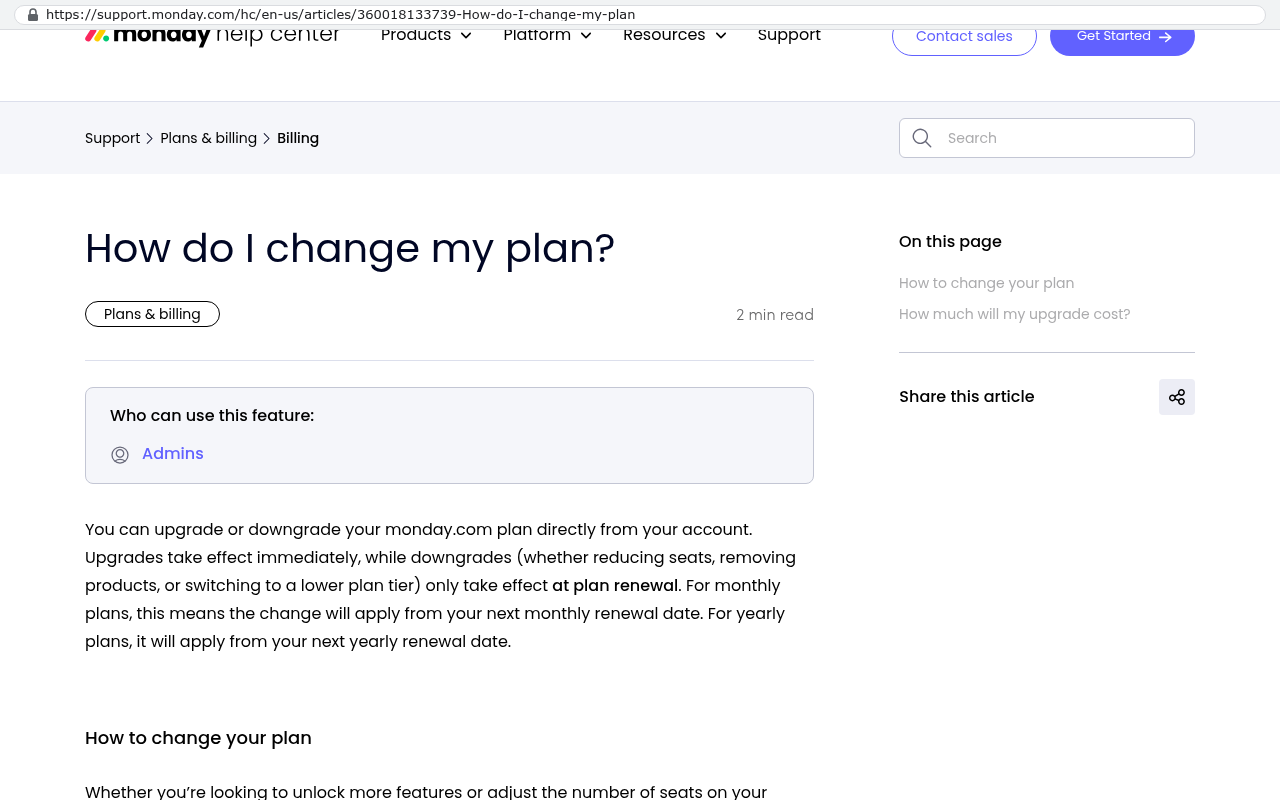
We see the same pile over and over. A CRM that the sales team half fills in. A project tool like Monday, Asana, or Smartsheet holding the real schedule. QuickBooks for the money. A shared drive full of spreadsheets that do the work none of those tools can. Then two or three niche subscriptions for scheduling, forms, or e-signatures.
Each piece is fine on its own. The problem is the gaps between them. Someone rekeys a job from the CRM into the project tool. Someone else rekeys it into QuickBooks. A field supervisor texts a photo that gets saved to a phone and never reaches the file. The spreadsheet becomes the real system of record because it is the only place the whole picture exists.
That is the hidden cost nobody puts on the renewal sheet. You are not just paying for five subscriptions. You are paying a person to be the integration layer between them. Ask your operations manager how many hours a week go into copying data from one screen to another. The answer is usually higher than anyone expected.
The arithmetic, done plainly
Take a hypothetical Clearwater services company with 40 people who need software access. Say the main platform costs 95 dollars per user per month after the mid-tier upgrade it needed for approvals and reporting. That is 3,800 a month, or 45,600 a year. Add a second tool at 20 dollars a seat for scheduling and you are near 55,000 a year.
Now project five years with a modest yearly increase. You are looking at something north of 300,000 dollars, and at the end of it you own nothing. Cancel and the data comes back as CSV files with the logic stripped out.
Compare that to a custom system. You pay to design and build it once. After that your recurring costs are hosting, which for a business this size is a small monthly bill, plus whatever support and enhancement work you choose to buy. Adding your 41st employee costs zero. Adding a whole department costs zero.
I am not going to pretend the build is free or that every case clears the bar. It does not. But when the five-year rental number has three commas in it and the tool still does not match how you work, the math is worth doing on paper rather than by gut feel.
Pull your last 24 months of card statements and sort every software charge by annual total. Most owners find one or two subscriptions they forgot they had, and at least one tool that three different departments bought separately.
The industries around here have specific problems
Hospitality on the beaches runs on labor timing. Schedules shift with weather, occupancy, and event calendars. Generic scheduling software handles shifts but not the local reality of a manager juggling three properties and a dozen part-timers who also work somewhere else. The useful version of that software knows your rules, not the average operator's rules.
Healthcare practices carry a different weight. Patient data means privacy rules apply, and HIPAA in plain terms means you must control who sees what and prove it. Off-the-shelf practice tools cover the clinical side well. Where they fall short is the operational side, things like referral tracking, prior authorization follow-up, and multi-location staffing. That is where the spreadsheets appear.
Logistics and distribution feel it most sharply. Port Tampa Bay traffic, regional trucking, and warehouse operations all involve handoffs between parties who use different systems. Carriers, brokers, customers, and your own dispatchers each want data in their own shape. A custom layer that talks to all of them beats forcing everyone into one vendor's format.
Construction, marine services, and storm restoration share a pattern too. The job starts in one system, the work happens in the field on phones, and the billing happens somewhere else entirely. Nobody sells one product that covers that whole arc for a company your size. So you buy three and staple them together.
Why a nearby partner is different
When your software vendor is in California and your problem is in Largo, you file a ticket. Best case you get a response within a day from someone reading a script. They do not know that your dispatch board is chaos on Friday afternoons. They cannot see it.
Local changes that. We can sit in your office, watch a real shift, and see where the process breaks. That single observation usually reshapes the design more than an hour of requirements interviews would. People describe the process they think they follow. Watching shows you the one they follow.
There is also the accountability piece. A firm at 1221 Turner St in Clearwater serving Pinellas and Hillsborough counties lives on referrals from businesses that can find us. That is a different incentive than a support queue in another time zone. If something breaks during your busy week, you call (727) 306-3202 and talk to someone who knows your build.
Where custom is the wrong answer
Do not build your own email. Do not build accounting. Do not build payroll or tax filing. Those are commodity problems solved well by companies with hundreds of engineers and regulatory teams. Paying a subscription there is money well spent, and replacing them is a bad trade.
A few other honest caveats, because they come up on every real project.
- Migration is work, not a button. Twelve years of attachments in a legacy tool need a scripted export, and some metadata will not survive the trip cleanly.
- If clients or vendors already live inside the platform you want to leave, their access is a real cost. Sharing a live sheet with a customer who expects that sheet is a genuine benefit you would be giving up.
- Custom software needs an owner on your side. Someone has to make decisions during the build and keep the system honest afterward. If nobody has that time, wait.
- Ongoing maintenance never hits zero. Browsers change, integrations shift, tax rules move. Budget for care and feeding, just far less than per-seat rental.
- Small teams with simple needs should stay on SaaS. Under about 10 users doing standard work, the subscription usually wins on math alone.
Beware the rebuild-everything instinct. The companies that get burned try to replace five tools at once. The ones that succeed replace the single worst pain first, prove it works, then expand. Keep QuickBooks. Keep Microsoft 365. Replace the thing your team complains about every Monday.
How to evaluate your spend this quarter
Start with a list. Every software subscription, its annual cost, and how many people touch it. Then mark each one as commodity or core. Commodity means anyone in your industry could use the same tool the same way. Core means it runs the part of your business that makes you different.
For everything marked core, ask three questions. Does the tool fit how you work, or have you bent your process to fit it? How many hours a week do people spend moving data in and out of it by hand? What does five more years of renewals cost at the current rate of increase?
If a tool is core, fits badly, and carries a six-figure five-year number, that is your candidate. Everything else can stay right where it is. This is not an all-or-nothing decision, and the firms that treat it that way usually make the wrong call in both directions.
If you want a second set of eyes on that list, book a free strategy session and walk us through it. We will tell you plainly where custom pays off and where you should keep paying the subscription.
Frequently asked questions
Is custom software really cheaper than SaaS?
Sometimes, and it depends entirely on your user count and how badly the off-the-shelf tool fits. At 10 users, SaaS almost always wins. At 50 or 100 users with heavy customization, owning usually wins over a five-year horizon. Do the math with your real numbers rather than trusting either sales pitch.
What happens if we build something and then our needs change?
You change the software. That is the point of owning it. You are not waiting for a vendor to vote your request onto a roadmap. The trade-off is that changes cost development time, so you want a system built in a way that makes changes cheap.
Can a custom system still work with QuickBooks and Microsoft 365?
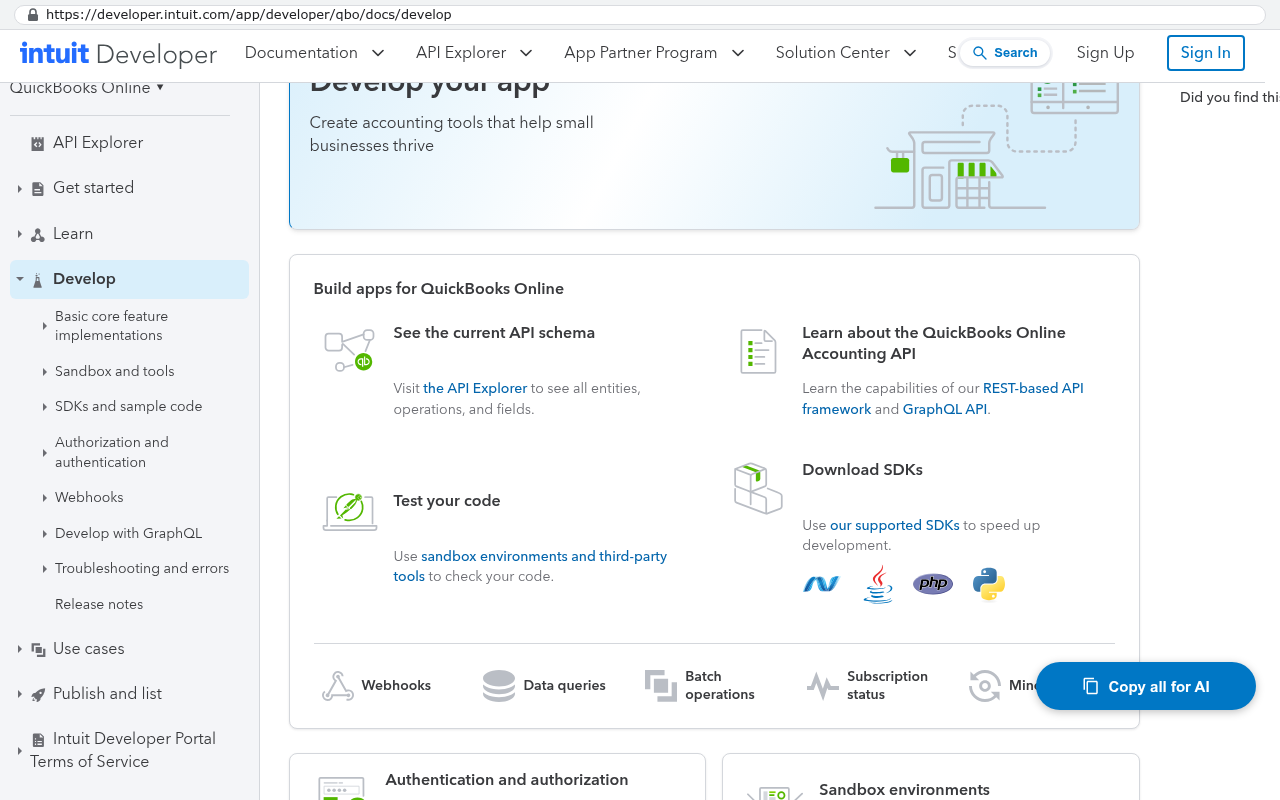
Yes, and it should. Both have solid interfaces for connecting other software. Most of our work involves keeping the tools that already work and replacing the ones that do not.
How long before we can stop paying the old subscription?
Longer than you would like, because you usually run both in parallel for a stretch to make sure nothing was missed. Plan for overlap in your budget. Cutting the old tool on day one is how data goes missing.
Do we need someone technical on staff?
Not a developer. You do need one person with decision authority who understands the operation and can answer questions during the build. Operations managers are usually the right pick.
Read this next
If the arithmetic above got your attention, read our breakdown of how to calculate the true five-year cost of a SaaS platform, including the hidden line items most renewal quotes leave out.
Related articles
- When to replace a project management platform with a custom build
- What it means to own your software outright
- Integrating custom systems with QuickBooks and Microsoft 365
Questions
Frequently asked questions
Why are software subscription bills increasing for Tampa Bay businesses?
SaaS vendors have shifted from growth pricing to profit pricing. Per-seat costs rise at renewal, useful features move to higher tiers, and AI add-ons arrive as separate line items. For a company with 30 to 100 users, five years of renewals often costs more than owning a custom system outright.
How much does a typical Tampa Bay software stack cost over five years?
A Clearwater services company with 40 employees spending 95 dollars per user monthly on a main platform plus 20 dollars per seat for scheduling reaches approximately 55,000 dollars annually. Projected over five years with modest yearly increases, the total exceeds 300,000 dollars with zero ownership at the end.
What's the hidden cost in using multiple software tools?
Most Tampa Bay companies run overlapping tools that don't integrate well. Employees spend significant hours rekeying data between systems, and spreadsheets become the real system of record. Ask your operations manager how many weekly hours go into copying data from one screen to another. The answer is usually higher than expected.
When does custom software make financial sense?
Custom is the better answer when the software runs your core operation and off-the-shelf tools fit badly. It's the wrong answer for email, accounting, and payroll. When your five-year subscription total has three commas and the tool still doesn't match how you work, the math is worth doing on paper.
How does per-seat pricing affect growing companies?
Per-seat pricing punishes you for growth. Each new hire adds a recurring cost increase, and most contracts let you add seats mid-term but only reduce them at renewal. Seasonal businesses in Tampa Bay often pay for seats they stopped using months ago until the annual term ends.
What advantage does a local software partner provide?
A nearby build partner gives you something a distant vendor cannot, which is a person who will walk your floor and understand your specific operation. This is particularly valuable for hospitality, healthcare, and logistics businesses that need solutions tailored to local market conditions rather than generic industry standards.
What happens to your data if you cancel a subscription?
When you cancel a subscription, the data comes back as CSV files with the logic stripped out. You own nothing after paying the recurring fees, which differs significantly from a custom system where you maintain control and ownership of the data and infrastructure.
Read this next
When staying on your current platform is the right call
Custom software isn't always the answer. Here's the arithmetic, the warning signs, and the honest caveats that tell you whether to renew your platform or replace it.
If this is your situation
Talk it through on a call
Thirty minutes over video with the person who would run the build. You talk, we ask questions, and you leave with a plain read on whether custom software makes sense for you. If the answer is that your current tool is fine and badly configured, you will hear that.
Who wrote this

David Verneuille
Founder, Black Badger Software Solutions
David Verneuille founded Black Badger after 18 years as a project manager and years implementing Smartsheet, monday.com, Wrike and Zoho for clients. He now builds custom systems that clients own outright, which is why the writing here is specific about where each platform fits and where it stops fitting.
Drafted with AI assistance, then checked, edited, and approved by a person before publishing. The facts, opinions, and recommendations are ours.