
Subscriptions never stop. A build stops. That's the whole comparison. Add up every recurring line item you pay to run your operations, project it forward five years with normal price increases and headcount growth, then compare that number to a one-time build plus its ongoing hosting and upkeep. For a lot of mid-sized teams, the two lines cross somewhere in year three. For some teams they never cross, and this article tells you how to spot which one you are.
The break-even point: when custom software starts costing less than your subscriptions
/ 11 min read
TL;DR
Key takeaways
- Your real SaaS cost is the whole stack, including connectors, add-ons, storage tiers, and the seats you pay for but barely use.
- Vendor price increases and headcount growth compound. A flat monthly number understates your five-year spend badly.
- A custom system still costs money to run. Hosting and upkeep are real, but they are a fraction of per-seat licensing and they don't scale with headcount.
- Break-even usually lands in year two or three for teams above roughly 25 to 40 seats on mid-priced tools.
- Custom is the wrong answer for accounting, payroll, tax, email delivery, and anything where a vendor's compliance work is the product.
- If your process changes every quarter, don't build yet. Stability is a prerequisite, not a nice-to-have.
On this page
- What you're actually comparing
- Add up what you're really paying now
- Amortization in plain English
- The per-seat curve is where the math tips
- "But custom software has hidden maintenance costs"
- Where custom loses
- A formula you can run on a napkin
- When to start the conversation
- Read this next
- Related articles
- Frequently asked questions
What you're actually comparing
Most people compare the wrong two numbers. They put a build quote next to one month of SaaS and conclude the build is expensive. Of course it looks expensive. One is a purchase and the other is a rent payment.
The honest comparison is total cost of ownership over a fixed window. Pick five years. Five is fair because most business systems live longer than that, and because five years is roughly how long a SaaS vendor needs to quietly double your bill through price increases and seat growth.
On one side you have rent that never ends and rises every renewal. On the other you have a purchase, plus hosting, plus upkeep. Ownership means the asset is yours. You can sell the company with it, change it without asking anyone, and stop paying anyone who annoys you.
Add up what you're really paying now
Open your card statement, not your memory. Almost every team we talk to underestimates their stack by 30 percent or more, because the spend is spread across departments and nobody owns the total.
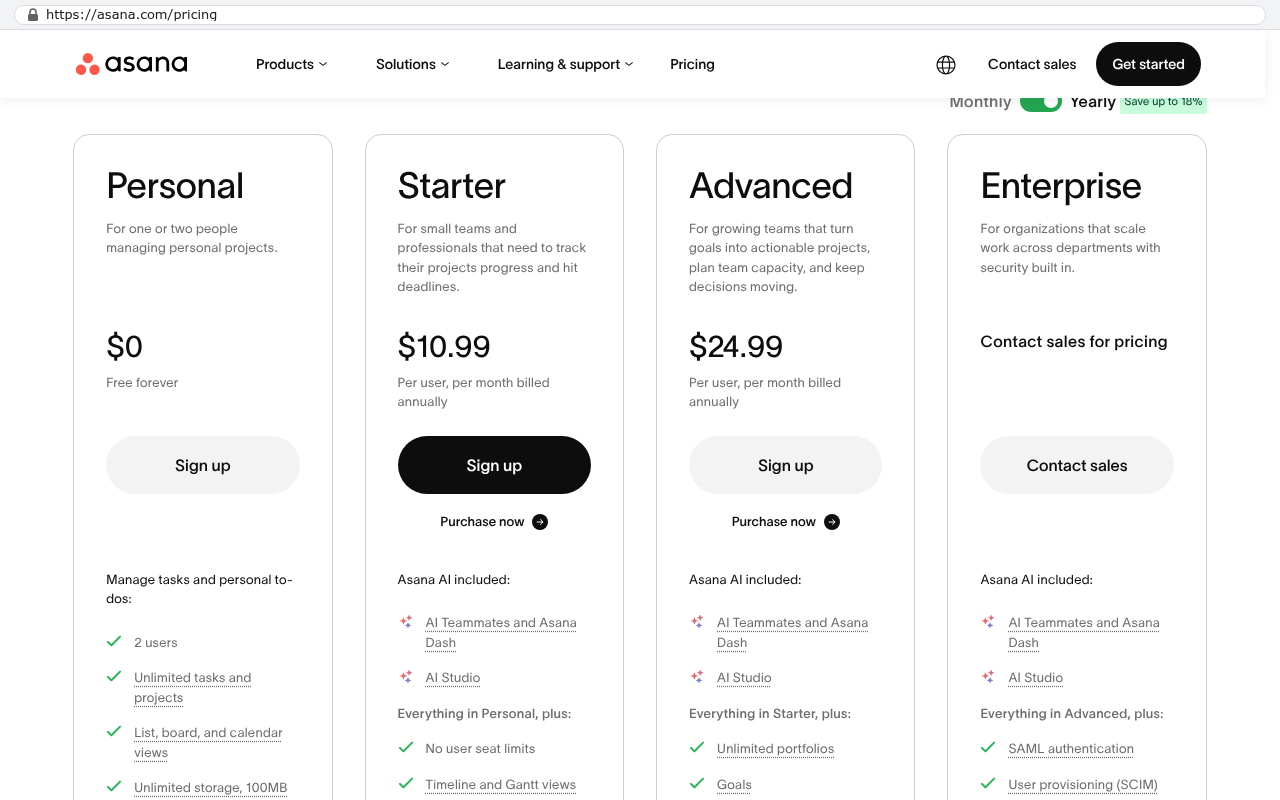
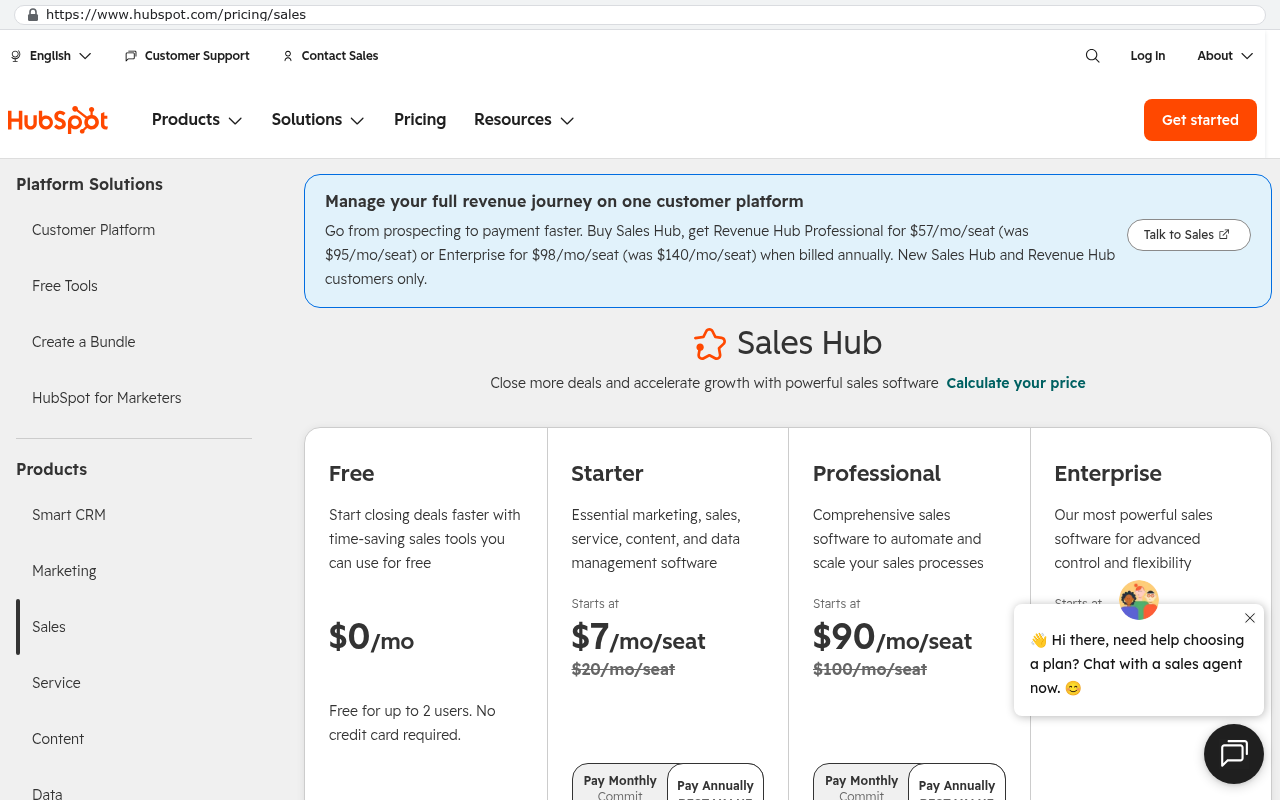
Here's what to count. Project management seats. CRM seats, including the pricier sales tier that only six people need. ERP or accounting, plus its modules. The integration platform holding it all together. E-signature. File storage overages. Reporting or BI add-ons. Sandbox environments. Premium support. The implementation partner you still pay for admin work.
Run a hypothetical. A 40-person company pays $25 per seat for project management, which is $1,000 a month. Twenty-five people are on a CRM at $100 a seat, another $2,500. ERP and accounting run $1,800. An integration tool costs $500. Add-ons and storage are $400. That's $6,200 a month, or $74,400 a year.
Now apply a 7 percent annual increase, which is conservative for this market. Year one is $74,400. Year five is about $97,500. The five-year total is roughly $428,000. And that assumes you never hire anyone.
Check your renewal terms before you model anything. Plenty of contracts include an automatic uplift clause, often 5 to 10 percent per year, that most buyers never read. If yours has one, your "flat" subscription cost is already scheduled to rise whether you add people or not.
Amortization in plain English
Amortization means spreading a one-time cost across the months you'll use the thing. It's how you compare a purchase to a rent payment without lying to yourself.
Take whatever a build is quoted at. Divide it by 60 months. That's your equivalent monthly cost over five years. Then add hosting, which for an internal business system is usually hundreds of dollars a month, not thousands. Then add an upkeep budget. A common planning rule across the industry is 15 to 20 percent of the original build cost per year for changes, dependency updates, and support.
Add those three numbers together and you have a monthly figure that sits next to your subscription line honestly. If the combined number is lower than what you pay now, you've already crossed break-even on day one. More often it's higher for the first year or two, then falls below as the build cost finishes amortizing and your SaaS bill keeps climbing.
The crossover point is the number that matters. Ask any vendor or builder to show it to you as a chart with two lines. If they can't, they haven't done the math either.
The per-seat curve is where the math tips
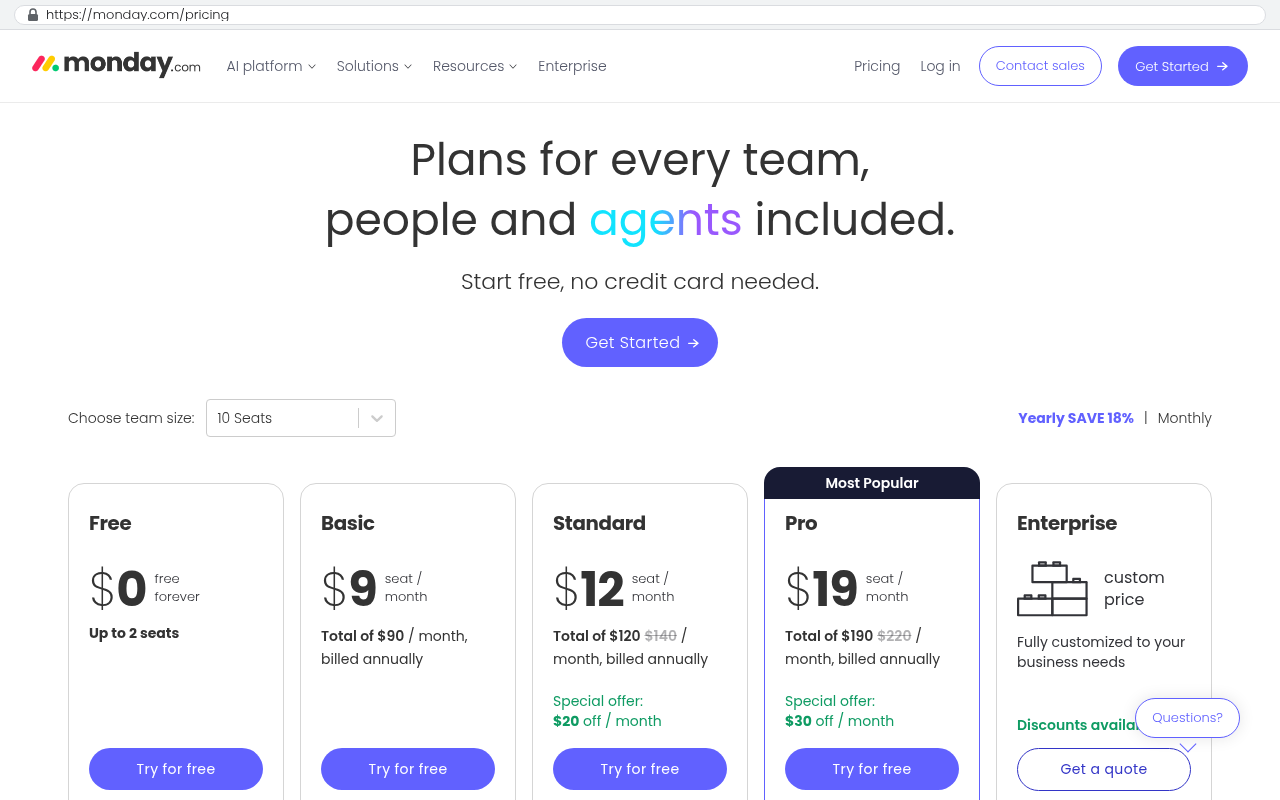
Per-seat pricing is the single biggest reason companies outgrow their stack. It ties your software cost to your headcount, which is backwards. Your fiftieth employee doesn't make your CRM more expensive to run. The vendor just charges you more because they can.
A system you own costs the same at 40 users as it does at 90. Hosting creeps up with data volume and traffic, but that curve is gentle. The line is nearly flat while your subscription line climbs with every hire.
Back to the hypothetical company. Say they grow from 40 to 65 people over five years, which is normal for a healthy mid-sized firm. Their per-seat lines grow about 60 percent on top of the annual price increases. That $428,000 five-year projection becomes closer to $600,000. The build didn't get more expensive. Nothing about it changed.
There's a second saving that's harder to see on a statement. Every connector between two SaaS tools is a thing that breaks, and somebody on your team spends hours a month babysitting it. When the data lives in one place, those hours disappear. Count them at a loaded hourly rate and they're usually worth more than the integration platform subscription itself.
Before you model anything, run a seat audit. Pull last quarter's login data from each platform. Most teams find 15 to 25 percent of paid seats belong to people who log in once a month or never. Cancelling those is free money and it sharpens your real baseline.
"But custom software has hidden maintenance costs"
It has maintenance costs, and they're not hidden if the person selling you the build is honest about them. Software needs updates. Libraries get security patches. Browsers change. Your business changes and the system has to follow.
What ownership changes is who controls that spend. With a subscription, maintenance is bundled into a price you don't set and can't refuse. The vendor decides when to raise it, when to sunset a feature you depend on, and when to force you onto a new interface your team has to relearn.
With a system you own, maintenance is a decision. Some quarters you spend nothing because nothing needs changing. Some quarters you spend a lot because you're adding a whole workflow. You can also change who does the work. If your builder disappoints you, hire someone else, because the code and the data are yours.
The failure mode is real though. Companies that budget nothing for upkeep end up with a system that slowly rots, then blame custom software. Put a line in the annual budget. Treat it like maintaining a building you own instead of a lease you renew.
Where custom loses
Plenty of situations where building is the wrong call, and pretending otherwise would waste your money.
Don't build accounting, payroll, or tax. Those vendors spend enormous sums keeping up with regulation across jurisdictions, and that compliance work is the actual product. Same with email delivery, payment processing, and e-signature. Buy those, connect them, move on.
Don't build if the platform is how your clients work with you. If half your customers already live in a shared portal from a vendor and like it, migrating them is a real cost with real relationship risk. Sometimes the right move is a custom system internally that publishes to the tool your clients use.
Don't build if your team is under about 15 to 20 people on cheap tools. The subscription total is too small for the arithmetic to work. Break-even at that size might be eight years out, which is too far to plan against.
Don't build if your process changes every quarter. Custom systems encode how you work. If how you work isn't settled, you'll pay to rebuild the same thing three times. Get the process stable on paper first.
And be honest about migration. Moving twelve years of records, file attachments, and audit history out of a hosted platform is a scripted export and a cleanup project, not a copy and paste. Budget for it as a line item. It's usually the most underestimated part of a switch.
A hybrid stack is a perfectly good outcome. Keep the accounting package, keep the payroll provider, and build the operational core that ties them together. Most of the wasted SaaS spend we see sits in project management, CRM, and the connector tax between them, not in the accounting seat.
A formula you can run on a napkin
Here's the arithmetic in five steps.
- Total your current monthly recurring software spend. Every line, every department.
- Multiply by 12, then grow it 7 percent a year for five years and sum the total.
- Add your expected headcount growth to any per-seat lines. That's your five-year rent number.
- Take the quoted build cost, add 60 months of hosting, and add five years of upkeep at 15 to 20 percent of build cost annually. That's your five-year ownership number.
- Subtract. If ownership is lower, find the month the two lines cross and decide whether you'll still be in business then.
One more adjustment most people skip. Add the labor cost of the manual work your current stack forces. Rekeying data between systems, building the monthly report by hand, chasing status updates in three places. Estimate the hours, multiply by loaded rate, and add it to the rent side. That's the number that usually decides it.
When to start the conversation
Start when your renewal is six months out, because that's when you still have options. Start when a vendor raises your price without adding anything you asked for. Start when you're paying an integration platform more than one of the tools it connects. Start when someone on your team has become a full-time spreadsheet operator for systems that were supposed to prevent spreadsheets.
Bring your actual numbers, not estimates. A real break-even conversation takes 30 minutes when both sides have statements in front of them. If the math says keep renewing, that's a fine answer and you'll have saved yourself a bad decision.
If you want help running the arithmetic against your own stack, book a free strategy session and bring your last three software invoices.
Read this next
If you're weighing this decision, read our breakdown of what actually happens to your data and workflows when you migrate off a hosted platform. It covers the export, the cleanup, and the parts teams routinely underestimate.
Related articles
- What you really own when you own your software
- Per-seat pricing and why it punishes growing teams
- Custom build or off-the-shelf, how to decide by function
- Planning a phased migration off a multi-tool stack
Frequently asked questions
How do I calculate the true cost of my SaaS stack?
Add up every recurring subscription line item including seats, add-ons, storage, connectors, and premium support. Then project that total forward five years with a 7 percent annual increase to account for vendor price hikes. This total cost of ownership over five years is what you compare against the cost of a custom build plus hosting and upkeep. Most teams underestimate their stack by 30 percent or more because spending is spread across departments.
When does custom software become cheaper than SaaS subscriptions?
For most mid-sized teams with 25 to 40 seats on mid-priced tools, break-even typically occurs in year two or three. You calculate this by taking the quoted build cost and dividing it by 60 months, then adding monthly hosting costs and an annual upkeep budget of 15 to 20 percent of the original build cost. Compare this combined monthly figure against your current SaaS spending. More often the custom system costs more initially, then falls below your climbing subscription bill over time.
Why does per-seat pricing make SaaS more expensive over time?
Per-seat pricing ties your software cost directly to headcount growth, which is backwards. Your fiftieth employee doesn't make your CRM more expensive to run, yet vendors charge more because they can. A system you own costs the same at 40 users as at 90 users. Hosting costs creep up gently with data volume, but the line stays nearly flat while your subscription costs climb with every new hire, creating a widening cost gap.
What should I count when adding up my real SaaS spending?
Count project management seats, CRM seats including premium tiers, ERP and accounting modules, integration platforms, e-signature tools, file storage overages, reporting or BI add-ons, sandbox environments, premium support, and any implementation partner costs for ongoing admin work. Check your renewal terms for automatic uplift clauses, which are often 5 to 10 percent per year and compound your costs whether you add people or not.
What is amortization and how do I use it to compare build versus subscribe?
Amortization spreads a one-time build cost across the months you'll use it. Divide the quoted build cost by 60 months to get a monthly equivalent. Then add your monthly hosting costs and an annual upkeep budget of 15 to 20 percent of the build cost. Add these three figures together to get a true monthly cost that you can honestly compare against your current subscription expenses.
When is custom software the wrong choice?
Custom software is the wrong answer for accounting, payroll, tax, email delivery, and any domain where a vendor's compliance work is the actual product. Also avoid building if your process changes every quarter. Stability is a prerequisite for custom software, not a nice-to-have. These areas are better served by specialized vendors who handle the compliance burden.
How much can I save by reducing unused SaaS seats?
Run a seat audit using last quarter's login data from each platform. Most teams find 15 to 25 percent of paid seats belong to people who log in once a month or never. Cancelling those unused seats provides immediate savings and sharpens your real spending baseline. This free money should be captured before you model a build versus subscribe decision.
What's the hidden cost saving of owning custom software?
Every connector between two SaaS tools is something that breaks, and someone on your team spends hours monthly maintaining it. When data lives in one custom system, those hours disappear. When you count these hours at a loaded hourly rate, they're usually worth more than the integration platform subscription itself, making custom systems even more attractive for teams with multiple tools.
What's the key difference between buying software and renting it?
Subscriptions never stop and keep rising with price increases and headcount. A build stops after completion. Ownership means the asset is yours to sell with the company, change without permission, and modify without vendor approval. You're comparing infinite rent payments that climb over five years against a one-time purchase with modest ongoing hosting and upkeep costs that don't scale with headcount growth.
Share this article
Keep reading
When staying on your current platform is the right call
Custom software isn't always the answer. Here's the arithmetic, the warning signs, and the honest caveats that tell you whether to renew your platform or replace it.
If this is your situation
Talk it through on a call
Thirty minutes over video with the person who would run the build. You talk, we ask questions, and you leave with a plain read on whether custom software makes sense for you. If the answer is that your current tool is fine and badly configured, you will hear that.
Who wrote this

David Verneuille
Founder, Black Badger Software Solutions
David Verneuille founded Black Badger after 18 years as a project manager and years implementing Smartsheet, monday.com, Wrike and Zoho for clients. He now builds custom systems that clients own outright, which is why the writing here is specific about where each platform fits and where it stops fitting.
Drafted with AI assistance, then checked, edited, and approved by a person before publishing. The facts, opinions, and recommendations are ours.