
- A long renewal is the vendor's win, not yours. Shorter terms cost you a little more per month and save you a lot in total.
- Seat counts are the fastest money. Most companies pay for people who left or never logged in.
- Get the export commitment in the contract, not in an email from a sales rep who may not be there in six months.
- Retention teams are measured on saves and renewals. Give them a save they can report, and they'll give you terms.
- Don't announce the build. Announce budget pressure and a review. Same result, less friction.
- Run the negotiation and the replacement build on parallel tracks, with the renewal date as the backstop, not the deadline.
How to negotiate a SaaS renewal when you already know you are leaving
/ 11 min read
TL;DR
This guide provides a strategic approach to negotiating SaaS renewals when you have already decided to leave, focusing on securing shorter contract terms, reducing seat counts, and obtaining written data export commitments rather than pursuing discounts.
Key takeaways
On this page
- What you need before you start
- Why most renewal conversations start from a losing position
- The negotiation, step by step
- What the retention team is actually working with
- A timeline you can run alongside a replacement build
- Where this approach falls apart
- Mistakes to watch for
- Your next step
- Frequently asked questions
By the end of this guide you'll have a renewal negotiation plan that assumes you're leaving, gets you a cheaper and shorter contract while you build the replacement, and protects your data on the way out. Setting it up takes an afternoon. Running it takes a few phone calls spread over the weeks before your renewal date.
TLDR: Stop negotiating like a customer who plans to stay. Once you've decided to replace a platform, your only goals are a shorter term, fewer seats, and a written data export commitment. Ask for month-to-month or a short bridge term, cut inactive users, and get the export format in writing before you sign anything. Retention teams have real authority to discount, and they'd rather keep a shrinking account than lose it outright.
What you need before you start
Three things, and you can gather all of them in an hour. First, your current contract. Find the renewal date, the auto-renew notice window (often 30 or 60 days), the seat count you're paying for, and anything the contract says about getting your data out. Second, a real usage report. Most platforms will show you last login per user if you ask support. Third, a decision that's already made internally. You don't have to tell the vendor you're leaving, but you and your leadership need to agree that you are. Half-committed negotiators get bad terms because the vendor can hear the hesitation.
One more thing helps. Write down what the platform actually does for you today, feature by feature, and who uses each piece. You'll need that list for the build anyway. It also stops you from panic-renewing when a rep reminds you about a module you forgot existed.
Why most renewal conversations start from a losing position
The standard renewal call goes like this. The rep sends an invoice with a price increase. You push back. They offer to hold last year's rate if you sign for three years. You take it, because three years at the old price feels like a win against the increase.
You just paid for two years you didn't want. And you did it because the conversation was framed around the per-seat price instead of the total commitment. Vendors are very good at this. Discount percentages are easy to approve internally and easy for you to screenshot for your boss. Term length is where the real money sits.
When you already know you're leaving, the math inverts completely. A 20 percent discount on a 36 month term is worse for you than full price on a 12 month term, assuming you'll be off the platform in a year. Run the numbers. Suppose you're at 60 seats and $45 per seat per month. Full price for twelve months is $32,400. The discounted three year deal at $36 per seat is $25,920 a year, which looks great until you realize you're on the hook for $77,760 and you'll stop using it after month fourteen. The discount cost you roughly $45,000.
Multi-year SaaS contracts are rarely cancellable for convenience. If you sign a three year term and migrate in year one, most agreements still require you to pay the remaining balance. Read the termination clause before you accept any discount tied to term length.
The negotiation, step by step
Run these in order. Each one builds the position for the next.
- Step 1: Note the auto-renew deadline and send written notice of non-renewal or intent to review, well before it closes. This is the single highest value action in the whole process. It stops the contract from rolling over on its own and puts you in control of the timeline. You can always re-sign. You usually can't un-renew.
- Step 2: Pull the usage report and cut dead seats. People who left, contractors who finished, the three executives who logged in once during the pilot. Send the vendor a reduced seat count as a fact, not a request. Most contracts let you reduce at renewal even when they block mid-term reductions.
- Step 3: Ask for month-to-month or a short bridge term. Say you're under budget review and can't commit beyond the current fiscal period. This is true, and it's the part you don't have to elaborate on. Expect a premium of 10 to 25 percent over annual pricing. Pay it happily.
- Step 4: Get the data export commitment in writing, inside the contract or an addendum. Name the formats, the scope, and the turnaround. More on this below, because it's where most people get burned.
- Step 5: Drop the premium add-ons you aren't using. Advanced reporting, the extra sandbox, the integration tier you bought for a project that ended. Those line items carry high margin and vendors give them up quickly.
- Step 6: Confirm everything in email after each call, in your own words. Sales turnover is high. The rep who promised you flexible offboarding support may be gone before you need it.
Notice what isn't on this list. You never say "we're building a replacement." That announcement triggers a different playbook on the vendor side, and nothing in it helps you.
What the retention team is actually working with
The person on the other end of the call has a number to hit and a limited set of tools. They can discount. They can extend. They can throw in training, a success manager, or a module. What they usually cannot do is change the contract's legal terms without looping in legal, which takes days and makes them look slow internally.
That shapes how you ask. Lead with the commercial asks, because those get approved fast. Then raise the export language as a small administrative detail rather than a battle. "We just need the standard data portability addendum before procurement signs" lands very differently than "we want an exit clause."
Understand their incentive too. A rep who loses the account entirely reports a churn. A rep who keeps it at a lower spend on a shorter term reports a save. The second one is dramatically better for them. You're offering them a version of success, which is why a calm, specific, slightly reduced ask tends to get approved without much fight.
Ask who has authority to approve a non-standard term before you make the ask. If the answer is "I'd have to check," request that person on the next call. Two calls with the right people beats six weeks of relayed messages through someone who can't say yes.
A timeline you can run alongside a replacement build
The shape that works is simple. The renewal is a safety net under the build, not a race against it. You want the new system live and proven before you let the old subscription lapse, and you want the subscription cheap and short while that happens.
Work backward from your renewal date. Ninety days out, pull the contract and the usage data, and start the internal decision. Sixty days out, send non-renewal notice or open the review conversation with the vendor. This is also when discovery on the replacement should be underway, because what you learn about your real workflows changes what you need from the bridge contract. Thirty days out, close the shorter, smaller deal.
After that, you run two tracks. The build progresses. Meanwhile you do a full data export every month, not just at the end. Monthly exports turn a cliff-edge migration into a boring routine, and they catch format problems while you still have a support contract to complain under.
When the new system is live, keep the old one in read-only mode for one more cycle if you can afford it. One billing period of overlap is cheap insurance against the one report nobody mentioned until month-end.
Where this approach falls apart
It doesn't always work, and pretending otherwise would set you up badly.
Slow-walked exports are real
Once a vendor senses churn, export requests can get slower. Not usually through malice. Offboarding requests sit at the bottom of a support queue sorted by account value and renewal likelihood. You'll also find that the self-service export covers the easy stuff and misses the hard stuff. Records export fine. Attachments, comment threads, audit history, and custom field metadata frequently don't. Some platforms cap exports at a row count. Some deliver files that reference internal IDs with no lookup table, which makes the data technically yours and practically useless.
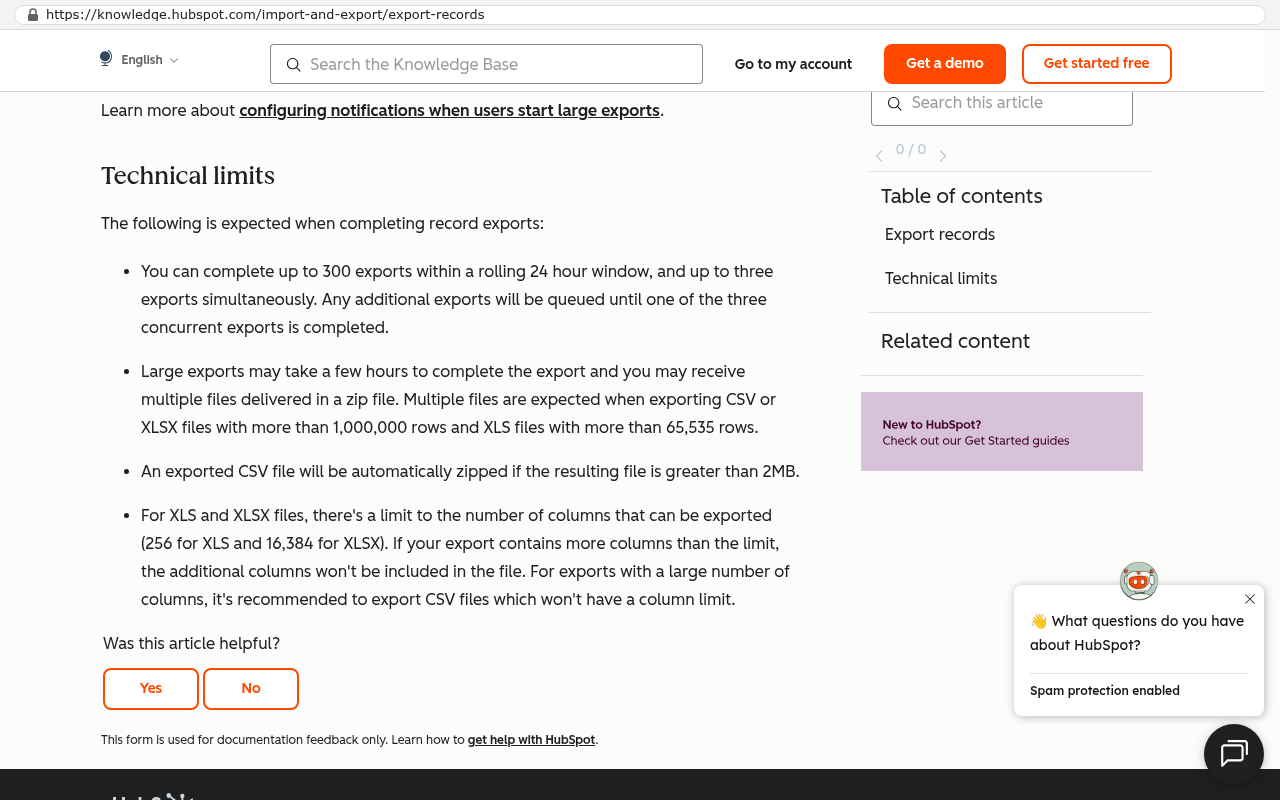
The fix is to test the export early, while you're still a happy customer. Export everything this week. Open the files. Check whether the file attachments actually came through or whether you got a column of expired links.
Some vendors won't bend
If you're a small account on a self-serve plan, there may be no human to negotiate with and no month-to-month option. Enterprise platforms with heavy switching costs sometimes know you can't leave quickly and price accordingly. In those cases the best outcome is a one year term with dead seats removed, and you accept that.
A custom build isn't always the right replacement
If the platform does something genuinely commodity, like payroll filing or card payment processing, replacing it with custom software is a bad trade. The regulatory surface alone makes it uneconomic. Custom wins where the software has been bent to fit your business, where you're paying per seat for people who use one screen, or where three subscriptions exist only because none of them do the whole job. That's a different calculation than "SaaS bad."
Never let the subscription lapse before the replacement has survived a full month-end close. Reactivation after cancellation is often treated as a new contract at list price, and your historical data may be purged after a stated retention window, sometimes as short as 30 days.
Mistakes to watch for
The most common one is telling the vendor too much. The moment they know a replacement is in flight, concessions dry up and the account gets reassigned to someone whose job is to make leaving feel hard. Keep it to budget and review language.
The second is missing the auto-renew window by a week. That mistake costs an entire year. Put the date in a calendar with a 90 day reminder, today.
The third is treating the export as a last-week task. The teams that migrate smoothly are the ones who exported their data three times before they needed to. The teams that struggle discovered in week one of the new system that eleven years of attachments live behind links that die with the account.
The last one is negotiating hard and then not building. A cheap bridge contract that gets renewed twice is just a more expensive version of staying. Set the build in motion first, then negotiate around it.
Your next step
Open your contract and find the auto-renew notice date. Then pull your last-login report. Those two numbers tell you how much room you have and how much you're currently wasting. If the arithmetic says it's time to own the system instead of renting it, book a free strategy session and we'll map what a replacement would need to cover.
Read this next: our walkthrough of how to audit what your current platform actually does before you replace it. Related reading includes our guides on exporting your data safely from a SaaS platform, calculating the true per-seat cost of subscription software, and deciding when custom software beats off-the-shelf.
Frequently asked questions
What should I focus on when negotiating a SaaS renewal if I'm planning to leave?
Focus on three things: getting a shorter term instead of a multi-year commitment, reducing your seat count to remove inactive users, and securing a written data export commitment. Month-to-month or short bridge terms are ideal. Avoid announcing your replacement build, as this triggers different vendor responses. The key is shifting the negotiation away from per-seat discounts toward term length, where the real money sits.
Why is term length more important than the discount percentage in a SaaS renewal?
A 20 percent discount on a three year term often costs you more than full price on a 12 month term if you're leaving within a year. Multi-year contracts are rarely cancellable for convenience, so you'll pay the full remaining balance even after you've migrated. The discount percentage looks good on paper, but the longer commitment is where vendors make real money from customers who are leaving.
What should I do before starting a renewal negotiation?
Gather three things in about an hour: your current contract with renewal date, auto-renew window, seat count, and data export terms. A real usage report showing last login dates for each user. And an internal decision that you're actually leaving. You also need leadership agreement on this decision. Retention teams can sense hesitation, and that weakens your negotiating position significantly.
Should I tell the vendor I'm building a replacement system?
No. Announce budget pressure and a review instead. This achieves the same result with less friction. If you tell the vendor you're building a replacement, it triggers a different playbook on their side that doesn't help you. Your renewal announcement should focus on budget constraints and evaluation, not on your build timeline or new platform selection.
Why should I get the data export commitment in writing inside the contract?
Sales representatives have high turnover. The rep who promised you flexible offboarding support may be gone before you need the export. Getting it in writing inside the contract or an addendum protects you by naming the formats, scope, and how long the export will take. This prevents the common situation where verbal commitments disappear when personnel changes occur.
What is the most important action to take at the start of renewal negotiations?
Send written notice of non-renewal or intent to review well before the auto-renew deadline closes. This is the single highest value action in the process because it stops the contract from rolling over automatically and puts you in control of the timeline. You can always re-sign later, but you usually cannot un-renew once the deadline passes.
Can I negotiate better terms if I'm a small account?
Yes. Retention teams are measured on saves and renewals, and they'd rather keep a shrinking account than lose it outright. Give them a save they can report by asking for shorter terms, reduced seats, and data export commitments. Even small accounts have value to vendors, and the commercial asks like month-to-month pricing and seat cuts get approved quickly by retention teams.
What happens if I sign a multi-year deal and then migrate before it ends?
Most multi-year SaaS contracts are not cancellable for convenience. If you sign a three year term and migrate in year one, you're typically required to pay the remaining balance. This is why term length matters more than discounts. Always read the termination clause before accepting any discount that's tied to longer contract terms.
Is paying extra for month-to-month pricing worth it?
Yes. Expect a premium of 10 to 25 percent over annual pricing for month-to-month or short bridge terms. This premium is worth paying because it gives you flexibility during your replacement build and prevents you from being locked into a long commitment. The slightly higher monthly cost is far cheaper than being stuck in a multi-year contract after you've decided to leave.
Share this article
Keep reading
How to calculate the true cost of per-seat licensing before your next renewal
The per-seat price on your renewal quote is the smallest number on the invoice. Here's a worksheet for finding the rest, plus the break-even math that tells you whether to renew or build.
If this is your situation
Talk it through on a call
Thirty minutes over video with the person who would run the build. You talk, we ask questions, and you leave with a plain read on whether custom software makes sense for you. If the answer is that your current tool is fine and badly configured, you will hear that.
Who wrote this

David Verneuille
Founder, Black Badger Software Solutions
David Verneuille founded Black Badger after 18 years as a project manager and years implementing Smartsheet, monday.com, Wrike and Zoho for clients. He now builds custom systems that clients own outright, which is why the writing here is specific about where each platform fits and where it stops fitting.
Drafted with AI assistance, then checked, edited, and approved by a person before publishing. The facts, opinions, and recommendations are ours.